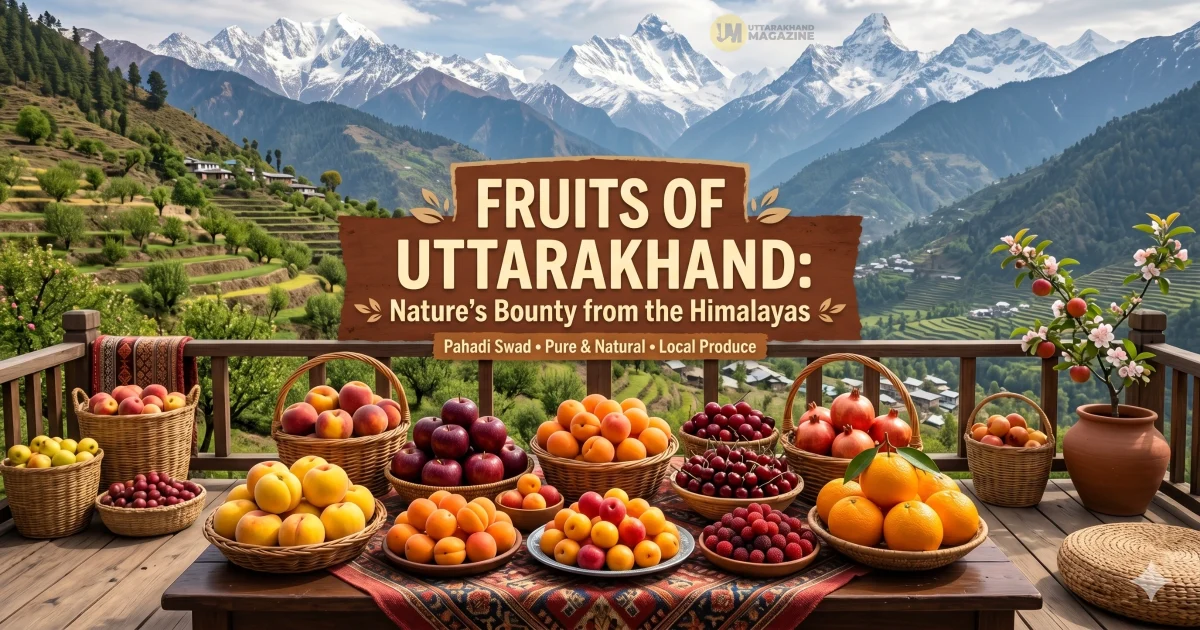

Uttarakhand, the Land of Gods, is not only famous for its beautiful mountains, temples, and rivers but also for its rich variety of fresh and flavourful fruits. The cool climate, fertile Himalayan soil, and clean mountain air make the state a perfect place for growing many unique fruits. From juicy apples and sweet plums to wild Himalayan berries like Kafal and Hisalu, the fruits of Uttarakhand are known for their natural taste and freshness.
Many of these fruits are grown in the peaceful hills of Kumaon and Garhwal, where local farmers have been cultivating them for generations. Some fruits are commonly found across India, while others are rare and special to the Himalayan region. Exploring the famous fruits of Uttarakhand is not just about discovering new flavours; it is also about understanding the culture, traditions, and natural beauty of this incredible state.
List Of Famous Fruits of Uttarakhand
1. Apples
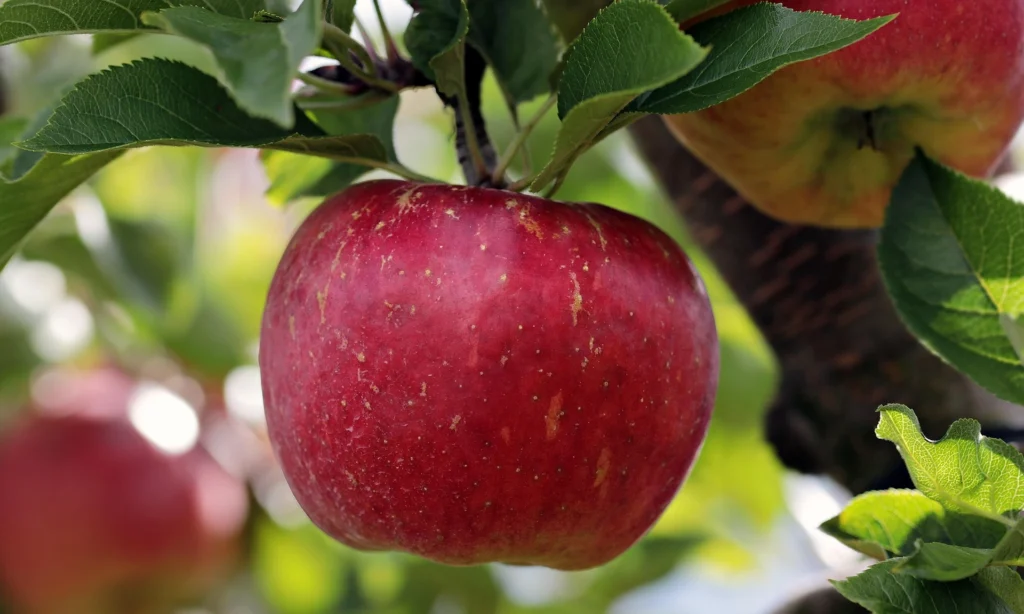
Apples come first among the list of fruits of Uttarakhand grown in the Himalayas. The Harsil Valley, Ramgarh, and Nainital in Uttarakhand are famous for yielding some of the finest apples in India. The cool weather gives apples a perfect balance of sweetness and crunch. Although the apples may be smaller than varieties from Himachal Pradesh, their taste is truly unmatched.
We find different varieties here, such as Red Delicious, Royal, Golden, and Fuji. Usually, apple harvests take place from August to October, when the whole region turns into a colourful orchard. Besides consuming them fresh, locals make apple jams, juices, and dried apple chips, which are delicious snacks enjoyed by tourists.
2. Malta
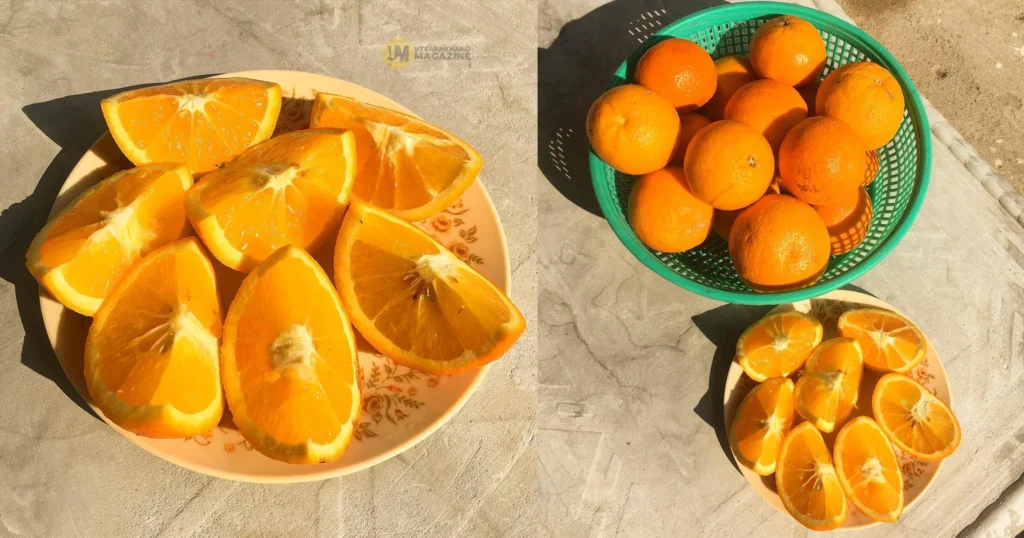
Malta is one of the most famous fruits of Uttarakhand. It is a bright orange fruit with an orange-like appearance but a slightly tangy and sweet taste. It is mainly grown in the areas of Pauri Garhwal, Tehri, and Chamoli.
Malta is an excellent source of vitamin C and is considered a natural immunity booster. During winters, locals love drinking fresh Malta juice mixed with honey and a pinch of salt because it is both refreshing and healthy. The peel of Malta is also used in making candies, marmalades, and even organic cleaners.
3. Kafal
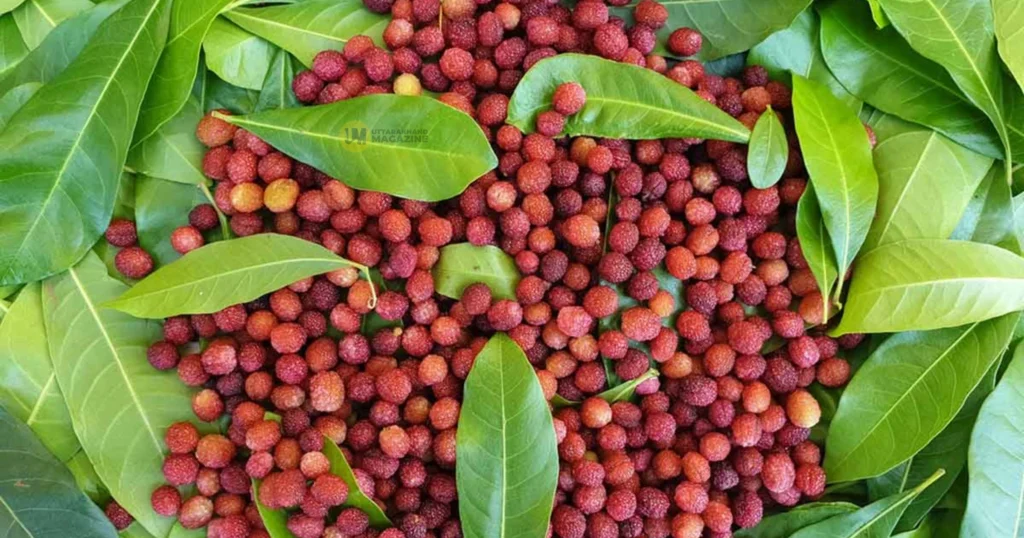
If there is one fruit that defines the spirit of Uttarakhand, it is Kafal. This small red wild berry is among the most loved wild fruits of Uttarakhand and is found in the mid-hills during the months of April and May. People adore Kafal for its tangy-sweet flavor, and it is often referred to as the “fruit of the forest.”
It does not grow on farms; instead, it grows naturally on trees in forest areas and is collected by villagers. There is even a popular local saying:
“Kafal pakyo ni, burf lagyo ni”
This saying highlights how deeply the fruit is connected with local culture and emotions in Uttarakhand.
4. Hisalu
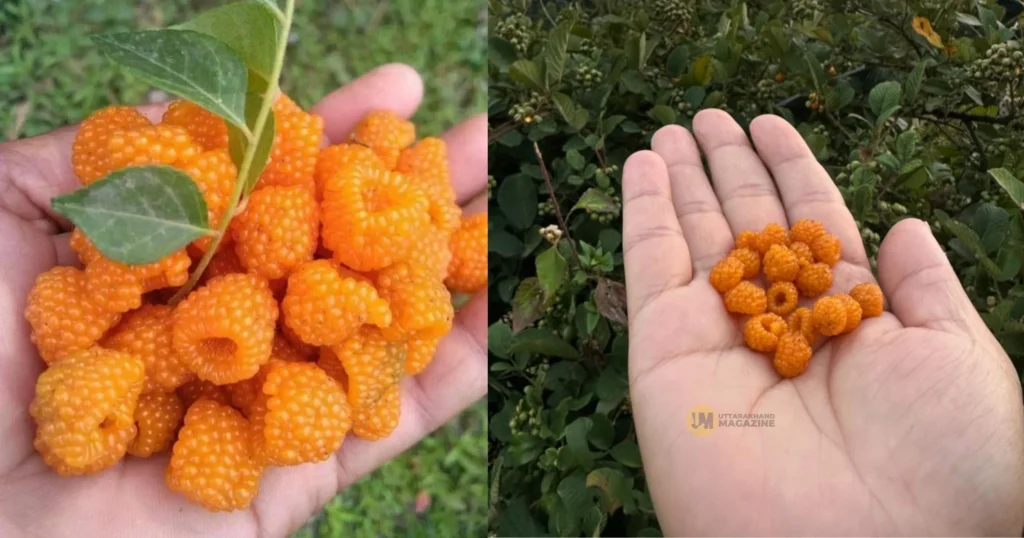
Hisalu, also known as the “golden Himalayan raspberry”, is another popular fruit among the local fruits of Uttarakhand. It grows between April and June in the forests of Kumaon and Garhwal.
Hisalu berries are small, orange in colour, and juicy. They have a sweet and sour taste that bursts with flavour. They are commonly eaten fresh by locals or turned into jams and juices because they spoil quickly. Hisalu is rich in antioxidants and vitamins, making it a natural energy booster, especially for people trekking or working in the hills.
5. Plum (Aloo Bukhara)
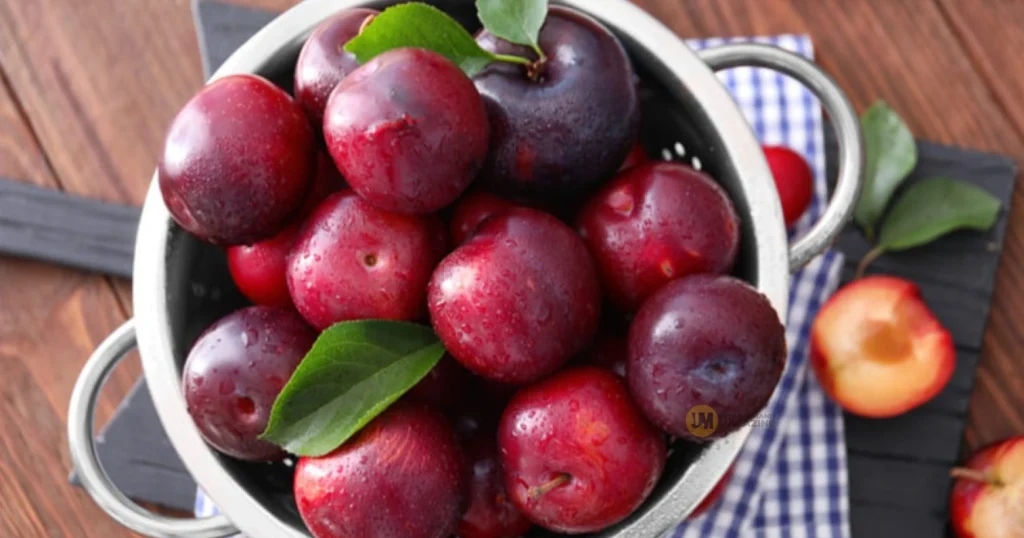
One of the most common seasonal fruits of Uttarakhand is the plum, locally known as “Aloo Bukhara.” It grows mainly in Nainital, Almora, and Pithoragarh.
Plums have smooth skin that is red or purple in colour, with soft and juicy flesh inside. Their taste varies from sweet to slightly sour depending on their ripeness. People enjoy them fresh or use them to make jams, chutneys, and even wine. Besides their delicious taste, plums are also good for digestion and skin health.
6. Apricot (Khubani)
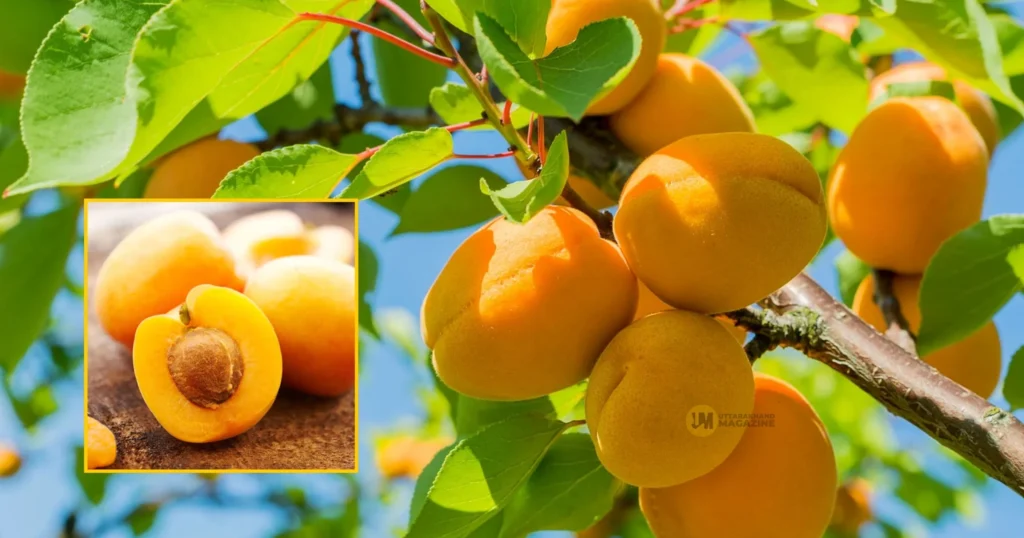
Large quantities of apricots are cultivated in Kumaon, especially in places like Mukteshwar and Bageshwar, where these fruits are locally known as Khubani or Chulu. These small golden-orange fruits are loved for their naturally sweet taste.
They are consumed fresh, dried, or processed into jams and oils. In fact, apricot oil is one of the best natural skincare products from the hills. It is light, fragrant, and helps keep the skin soft and hydrated — a traditional beauty secret of mountain communities.
7. Peach (Aadu)
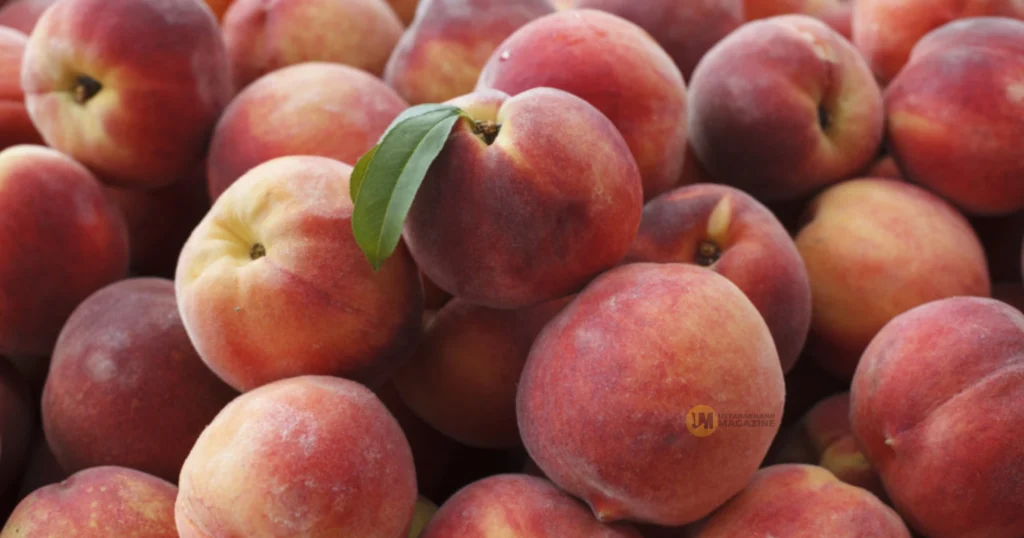
Another important fruit cultivated in the mid-hills of Uttarakhand is peach, locally called Aadu. It has a fuzzy outer skin while the inside is sweet and juicy.
The blooming of peach trees during spring is truly beautiful, with shades of pink covering the hillsides. The fruits mature and are ready by June and July. Fresh peaches are sold in local markets and are also used for making jams, squashes, and desserts. They are full of vitamins and are very refreshing during the summer season.
8. Walnut (Akhrot)
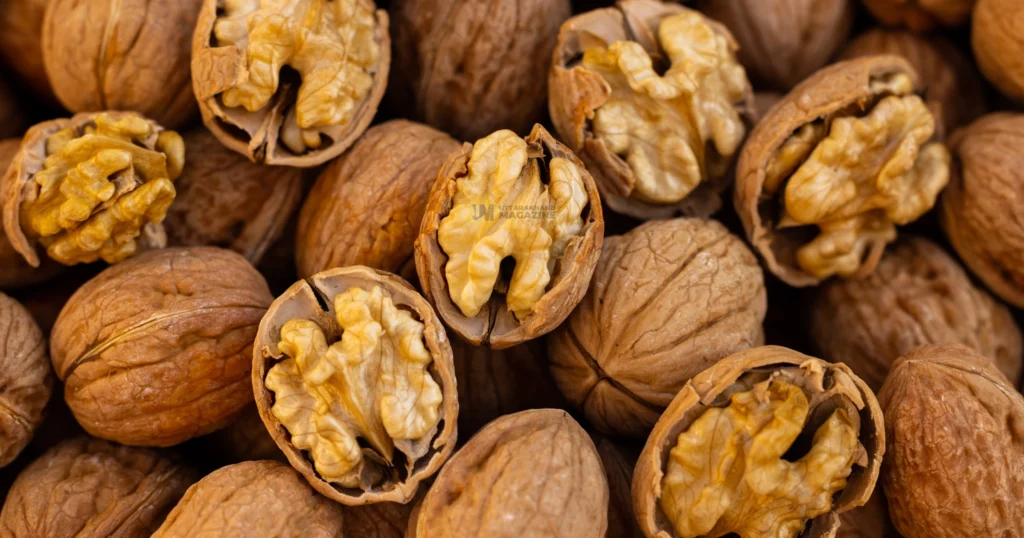
Walnuts grow in the higher and colder regions of Uttarakhand, especially in Pithoragarh, Uttarkashi, and Chamoli.
These hard-shelled nuts are packed with omega-3 fatty acids and healthy fats. They are often referred to as “brain food” because their shape resembles the human brain and they help support brain health. In Uttarakhand, walnut kernels are consumed raw, roasted, or added to sweets and halwa during winters.
9. Pear (Nashpati)
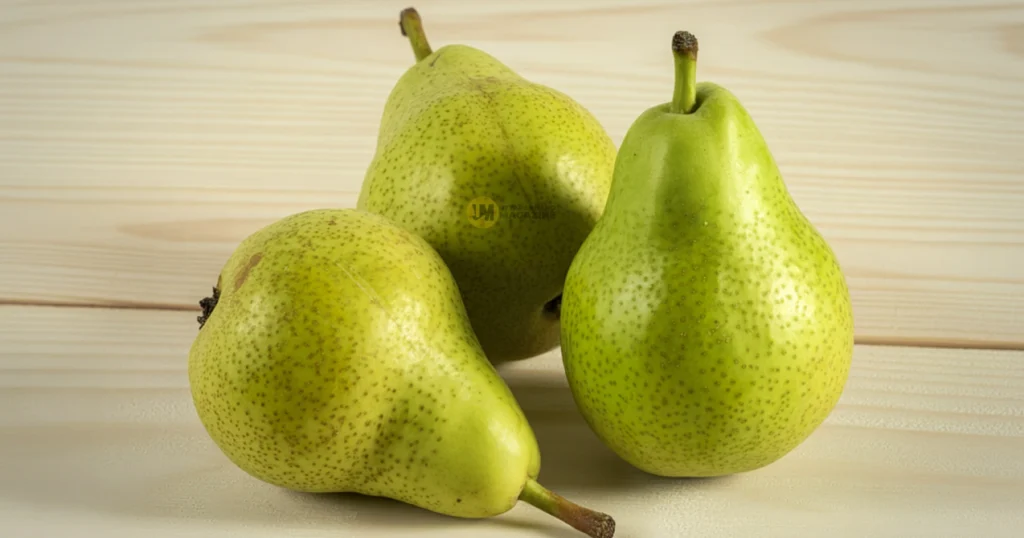
Pears, locally called Nashpati, are grown across Kumaon. The outer skin of the fruit is greenish-yellow in color, while the inside is crisp with a grainy texture.
One of the best qualities of hill-grown pears is their juiciness. Locals love eating them fresh and also prepare homemade juices. Pears are rich in fiber and vitamins, making them excellent for digestion.
10. Strawberry
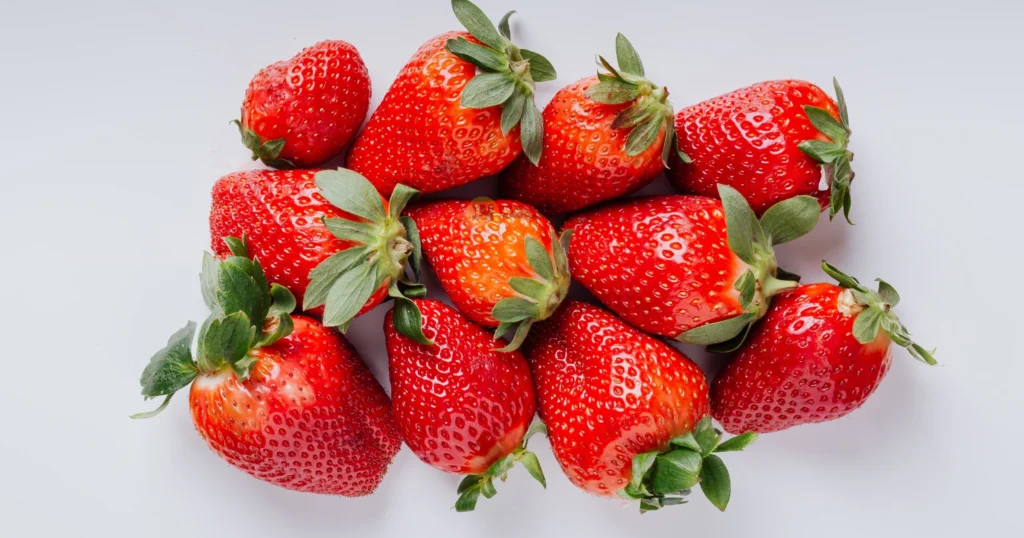
In recent years, strawberries have become one of the most profitable fruits in Uttarakhand. With modern cultivation techniques, farmers in Nainital, Dehradun, and Ramgarh have started growing strawberries successfully.
These bright red, heart-shaped fruits attract tourists and are widely used in local bakeries, jams, and desserts. Tourists also enjoy strawberry picking during the harvest season.
11. Bedu
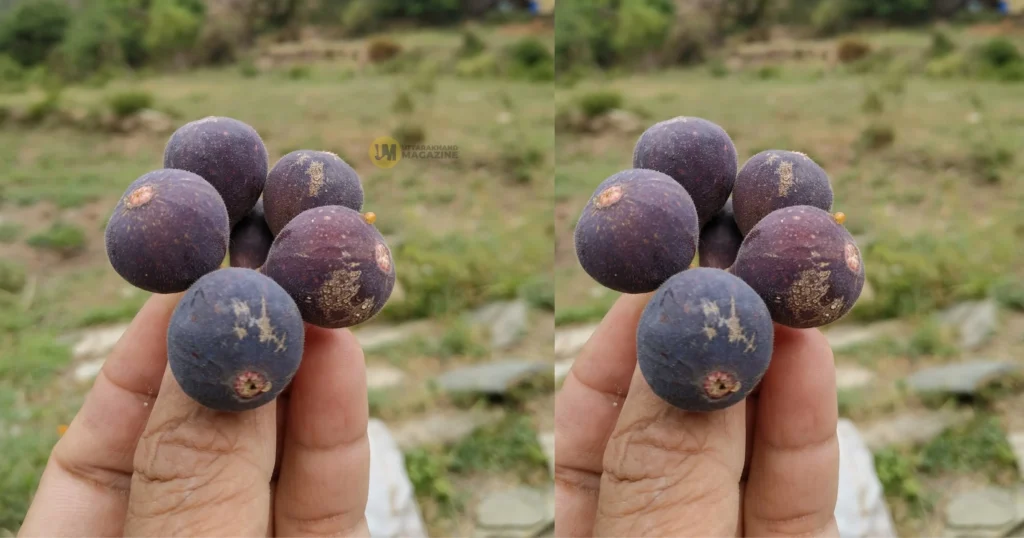
Bedu, also known as wild fig, is a lesser-known yet important fruit among the wild fruits of Uttarakhand. It grows naturally in the forested regions of Kumaon and Garhwal.
It is a small, round fruit with a sweet and earthy taste. Bedu is rich in calcium and fiber and is often used in traditional folk medicine. Some villagers also dry Bedu fruits and use them later as a natural sweetener.
12. Kiwi
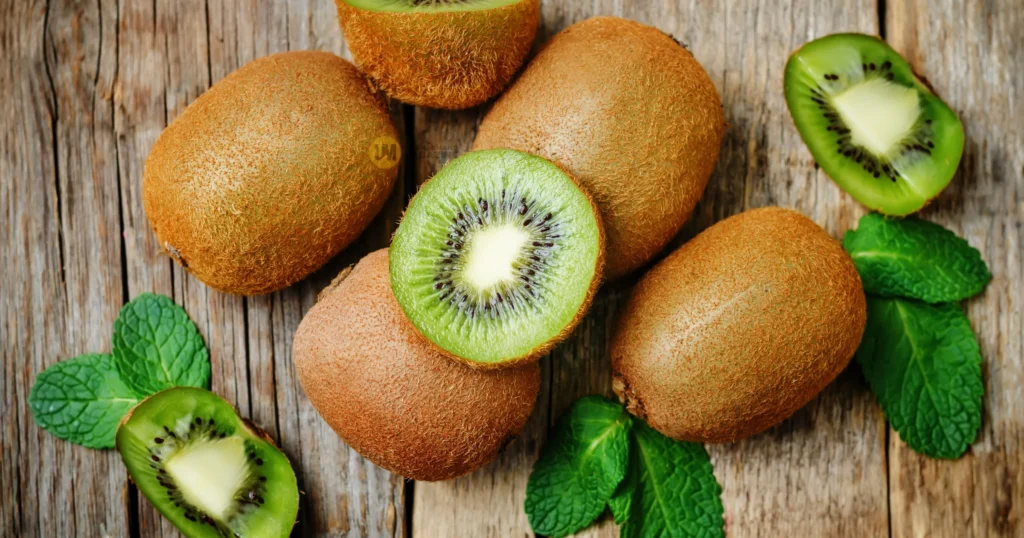
The kiwi fruit, once considered foreign to India, now grows successfully in Uttarakhand’s cool climate. Farmers in Nainital, Pithoragarh, and Champawat have started kiwi plantations in recent years.
Rich in vitamin C and antioxidants, kiwi has become a symbol of modern hill farming in the state. The Uttarakhand government also supports kiwi cultivation under various agricultural schemes.
Contribution of Fruits to Uttarakhand’s Economy
Fruit cultivation is not only a matter of pride but also an important part of the rural economy. Thousands of families earn their livelihood through orchards and fruit farming.
The Uttarakhand Department of Horticulture and organisations like the Uttarakhand Organic Commodity Board promote organic farming and support farmers in producing jams, juices, pickles, and other fruit-based products.
Tourists especially love buying local products such as:
- Kafal candy
- Malta squash
- Apple and apricot jam
- Dried fruit mixes
These products support local artisans and help promote sustainable livelihoods in the Himalayan region.
Conclusion
The fruits of Uttarakhand are much more than just food. They represent the culture, traditions, and natural beauty of the Himalayas. From apples and Malta to Kafal and Hisalu, every fruit carries the freshness of the hills and the warmth of local communities.
However, climate change and deforestation are slowly affecting the diversity of many local fruits of Uttarakhand. Traditional fruits like Kafal and Hisalu are becoming rare because of habitat loss. To protect this rich natural heritage, local communities and organisations are now focusing on eco-friendly farming, reforestation, and seed preservation.
By supporting and promoting the famous fruits of Uttarakhand, travellers and buyers can help mountain farmers preserve this unique fruity heritage for future generations.