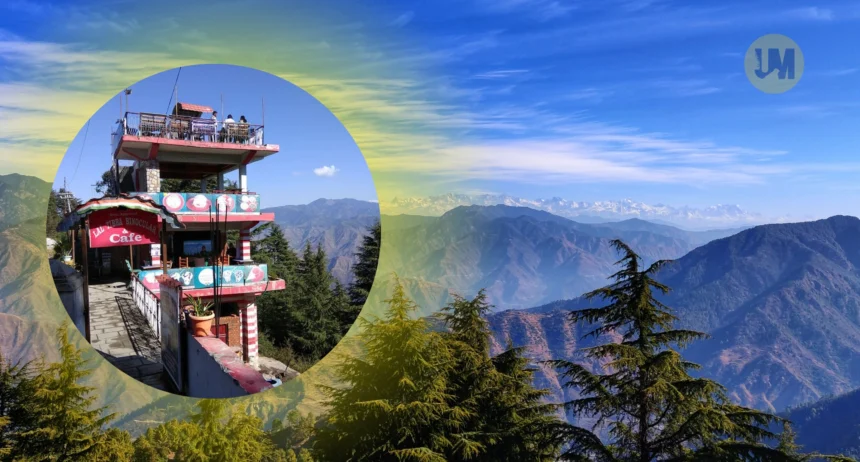
Hill stations are beautiful, but Mussoorie has a charm of its own. Wrapped in mist and stories, it carries a quiet magic that travellers keep coming back to. At the very top of this hill station rests Lal Tibba, the highest point in Mussoorie, where the mountains feel alive and the skies seem just a little closer.
If you reach here early in the morning, the first sunlight hitting the Himalayan peaks feels like nature’s grand show. And if you are someone who enjoys slow walks with a cup of tea or coffee in hand, Lal Tibba has a way of making time pause. The air feels fresher, the views look endless, and suddenly, all you want to do is breathe in the calmness.
Unlike many tourist spots that are packed with shops and noise, Lal Tibba is still peaceful. It is not about flashy attractions or loud crowds; it is about simplicity. Standing here feels like looking at an old, treasured photograph: raw, pure, and yet fresh every single time.
Being from Dehradun and having visited Mussoorie many times, I can say this spot never loses its magic. The panoramic views of the Himalayas, from Kedarnath to Badrinath on a clear day, remind you why Mussoorie is called the “Queen of Hills”.
If you are planning a trip, here is a complete guide to Lal Tibba Scenic Point with details on how to reach it, entry fees, timings, and a few tips to enjoy the experience without being in a rush.
Also Read: Top 10 Must-Visit Places in Mussoorie | Top Tourist Attractions
Lal Tibba: What It Is and Why It’s Special

The name Lal Tibba translates to “Red Hill”, inspired by the way the sky glows with shades of red and orange during sunrise and sunset. Standing tall at about 2,275 metres, it is the highest point in Mussoorie. But Lal Tibba is not just about height; it is about the kind of silence you rarely find elsewhere. The silence here feels clear, soothing, and almost poetic. It is the kind of quiet where you suddenly notice the sound of birds you usually ignore or the soft touch of wind moving through the pine trees.
On days when the sky is crystal clear, the telescopes installed here let you see some of the great Himalayan peaks. Spotting Kedarnath, Badrinath, and other snow-clad ranges from this viewpoint feels almost unreal, as if you are staring at a painting stretched across the sky. The vastness makes you forget time, and for a moment, it feels like the mountains go on forever.
If you are someone who enjoys simple pleasures, like sitting on a bench and listening to the rustling pines, Lal Tibba will feel like your kind of place. It does not rely on flashy attractions or noise to impress. Instead, it stays with you quietly, long after your trip ends.
As someone who often visits Mussoorie from Dehradun, I can say that Lal Tibba always feels new, no matter how many times you come here. The peaceful setting, the fresh air, and the endless views are what make it one of the most special corners of Mussoorie.
Best Time to Visit Lal Tibba

Ask any local and you will hear the same thing: the best time to visit Lal Tibba depends on what you are looking for. If snow-covered hills are your dream, then December to February is the perfect season. For blooming flowers, sunny skies, and pleasant walks, March to June is the ideal choice. And if foggy mornings with a steaming cup of tea and cosy scarves sound like your kind of holiday, then the monsoon months of July and August will set the mood just right.
Many travellers, including myself, believe that the months between September and November offer the best of everything. The skies are clear after the rains, the crowds are fewer, and the atmosphere feels calm enough for you to truly enjoy the silence. Visiting during the morning or late afternoon is even better, as the soft golden light adds magic to the views and makes for unforgettable photographs.
No matter what season you choose, one simple tip always helps. Carry something warm. Even in May, Lal Tibba can surprise you with a sudden cool breeze. A light jacket, stole, or sweater will keep you comfortable, especially if you plan on staying until sunset.
How to Reach Lal Tibba from Mussoorie
If you are staying in the main town of Mussoorie or near Landour, reaching Lal Tibba is not a challenge at all. In fact, it feels more like a scenic journey than just travel. Here are the most popular ways to get there:
On foot: For those who enjoy walking, the route from Landour to Lal Tibba is about 2 to 3 kilometers uphill. The walk takes you past old bakeries, British-era homes, and the occasional group of monkeys playing in the trees. The views along the way are beautiful, making it perfect for photography lovers and anyone who wants to soak in Mussoorie’s charm at a slower pace.
By car: You can hire a cab or drive your own vehicle. The drive from Mall Road to Lal Tibba usually takes 15 to 20 minutes. Do keep in mind that parking near the viewpoint is limited, especially during tourist season. If you plan an early morning visit, you will find it easier to avoid both traffic and crowds.
By cycle: For adventure seekers, cycling up to Lal Tibba is also an option. The climb is steady and curvy but safe, and the cool mountain air makes it refreshing. You will find a few cafés along the way, perfect for taking a short break before continuing the ride.
Although the distance is not too long, the journey feels special. Every turn brings a new view of the hills, the fresh scent of pine, or a roadside tea stall inviting you to stop for a quick cup. It is one of those routes where the journey is as memorable as the destination itself.
Lal Tibba Trek: A Peaceful Climb
Beyond the viewpoint, there is something that many travellers miss—the short and charming Lal Tibba trek. Do not imagine it as a tough mountain climb. This is more of a gentle uphill walk that beginners, families, couples, and even solo travellers can enjoy. It is the kind of walk where you are not rushing to the top but simply enjoying each step.
The trek usually starts from Char Dukan, a little corner famous for its old shops that still serve hot chai and bun omelettes. From here, Lal Tibba is just 1.5 to 2 kilometres away. The trail is not long, but it is full of small surprises that make it memorable. With every step you take, pine needles crunch under your shoes, sunlight filters beautifully through the trees, and you may even exchange a smile or nod with locals passing by.
Along the way, you are likely to come across:
- Stray dogs that happily walk beside you, as if they have taken up the role of guides.
- Tall deodar trees creating green tunnels above your head, whispering with the wind.
- Random rocks with hidden graffiti or inspirational quotes, making you stop and smile.
- And if luck is on your side, a thin mist that turns the whole path into something straight out of a black-and-white movie.
All you really need are comfortable shoes, a water bottle, and a slow pace. This is not the kind of trek you rush through. Take breaks, click photos, and let yourself absorb the peaceful atmosphere. Here, the journey feels just as beautiful as the destination.
What to See at Lal Tibba Scenic Point
So, what exactly can you expect once you reach Lal Tibba? The experience is simple yet unforgettable.
Telescopes with Himalayan views:
At the viewing platforms, you will find mounted telescopes that let you see the snow-covered peaks up close. From here, spotting mountains like Kedarnath and Badrinath feels like flipping through a live postcard. Look out for the brass plates below the telescopes that label each peak. It is a small but interesting detail that makes the view more meaningful.
- Cafés with postcard vibes: One of the highlights here is the Lal Tibba Binocular Café. Sitting with a cup of hot chocolate or coffee while gazing at endless mountain views through glass walls is an experience in itself. The rustic interiors, the warm hospitality, and the fresh mountain breeze make it one of those spots you will want to sit in for hours.
- Local art and souvenirs: Around Lal Tibba, a few local vendors sell handmade products. From hand-painted postcards to woven woollens and organic teas, these little stalls add to the charm. The best part is that the sellers are friendly, not pushy, which makes browsing relaxed and fun.
- Peace and perspective: More than anything, Lal Tibba offers an atmosphere of peace. There are benches where people sit quietly for hours, watching the horizon or simply doing nothing. There is no entry fee, no loud music, and no rush. It is one of those rare places where silence itself becomes the main attraction.
Where to Eat Near Lal Tibba?

You did not come all this way to miss out on the food, did you? The area around Lal Tibba and Landour has some iconic spots that make the trip even more memorable.
Char Dukan: This is a must-visit stop either before or after your walk to Lal Tibba. Known for its bun maska, pancakes, and steaming cups of ginger chai, Char Dukan has been serving hillside favourites for decades. There is something comforting about sitting here and enjoying food that feels unchanged by time.
Landour Bakehouse: A short walk down the slope will bring you to this café that blends history with flavour. With its wooden interiors, framed letters, and nostalgic atmosphere, it feels like stepping into a story. Their banana bread and plum cake are local favourites, and the aroma inside makes it almost impossible to leave without trying something.
Local tea stalls: Along the way, you will also find small tea vendors offering unique flavours like cinnamon-clove chai or the ever-loved pahadi-style Maggi. More than just food, these stalls give you warm conversations and stories from the locals, which often stay in your memory longer than the meal itself.
Sometimes, the simplest combinations make the best travel moments: good food, fresh mountain air, and views that stay with you long after the trip ends.
Where to Stay Near Lal Tibba?
After a refreshing day at Lal Tibba, you will want a comfortable place to relax and recharge. Mussoorie has plenty of stays, from cosy homestays to premium resorts, so there is something for every kind of traveller.
If you prefer a mix of luxury and nature, consider some of the well-known resorts. Jaypee Residency Manor is a popular choice, not just because of its excellent service but also for its prime location. Perched high above the town, it offers uninterrupted views of the Doon Valley and the surrounding mountains. Waking up here feels like you are still in the middle of the scenery you enjoyed at Lal Tibba.
After a gentle trek or walk, nothing beats returning to a soft bed, warm meals, and maybe even a soothing spa session. The right stay can make your trip more memorable, because a sunrise at Lal Tibba feels even better when you’ve had a peaceful night’s sleep.
Final Thoughts
Some places do not need grand promotions or flashy signboards, and Lal Tibba in Mussoorie is one of them. It is quiet, slightly old-fashioned, yet full of charm that stays with you long after you leave. Whether you take the short trek or drive up for the view, Lal Tibba greets you with a kind of silence that feels rare in today’s busy world.
It is more than just a viewpoint. It is where you can listen to the wind moving through tall pines, watch the Himalayas stretch endlessly into the distance, and let the weight of everyday noise slip away. You may arrive here for the views, but you stay for the feeling it creates.
So, when you plan your next trip to the hills, set aside a few hours—or better yet, an entire day for Lal Tibba Scenic Point. It is one of those places that leaves a gentle but lasting mark on your memory, without trying too hard.
Now that you know everything about reaching Lal Tibba and making the most of it, all that is left is to carve out the time and experience it for yourself.