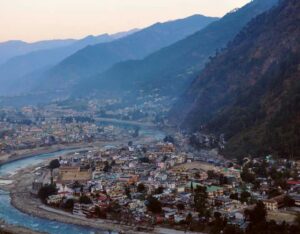
I still remember the mornings of Dehradun when the air smelt like pine and rain. Before what Dehradun really is and the new highways came, cafes replaced the old food shops near Paltan Bazaar, and tourist season became a year-round thing.
Hey, I’m Rishab Gusain, a normal boy from Dehradun. I have watched this city transform from a beautiful, sleepy cantonment town into one of Uttarakhand’s most visited destinations, and honestly, it’s not a very good feeling.
But here is the truth most travel blogs won’t tell you: the real Dehradun is still here, hidden behind the traffic on Rajpur Road, hiding in the mist above the Mussoorie diversion and waiting quietly at places most tourists might never find on their first trip.
Dehradun is a small town surrounded by the mountains. It sits at around 640 metres above sea level, cradled between two of India’s most sacred rivers, the Ganga and the Yamuna. The climate here is unpredictable yet one of the best in North India. Not too cold in winter, never brutally hot in summer. We locals call it ‘sall bhar ka sheher’: a city for every season.
Whether you are a first-time visitor trying to tick off the classics like Robber’s Cave and Sahastradhara or a repeater, this guide covers 40 best places to visit in Dehradun I personally know and have visited and honestly care about.
This isn’t a copy-paste blog. This is content written on Dehradun seen through the eyes of someone who grew up watching Dehradun progress.
Let’s start without you starting your trip to Dehradun.
1. Robber’s Cave (Gucchu Pani)
Robber’s Cave is also known as Gucchu Pani locally. That is what we locals call it, and trust me that name hits different when you have actually walked through its freezing cold water barefoot as a kid. Located just 8 km from Dehradun, this natural river cave is hands down one of the most unique geological wonders in Uttarakhand, Dehradun. What makes it truly special is a river that vanishes into the cave floor and reappears on the other side. This is something I have seen many times and still finds it unreal.
Beyond the cave itself, the surrounding sal forests are perfect for a relaxed picnic, light trekking or just sitting by the stream doing absolutely nothing. Activities like rock climbing and rappelling are available too, but honestly, just wading through that cold water passage is adventure enough for most of the people like me.
Local tip: Avoid visiting this place in monsoons, as the water rises fast and gets genuinely dangerous inside.
Timing: 7:00 Am – 6:00 Pm
Entry fee: ₹35 per person
Best time to visit: March – June & October – February
2. Mindrolling Monastery (Buddha Temple)
If you are in Dehradun and you haven’t visited Mindrolling Monastery, then honestly you have missed something very special. Located in Clement Town, Mindrolling Monastery is also known as the Buddha Temple and is one of the famous places in Dehradun. This is one of the most peaceful places I have ever visited in my own city. Founded in 1965 by Khochhen Rinpoche, this place feels like a completely different world the moment you walk in.
The star of the place is the massive 220-foot-tall Strupa and a stunning 130-foot Buddha statue that you can spot from quite far away. Inside, the walls are covered in beautiful paintings showing the life of Buddha, and the gardens outside are so well kept that you just want to sit there for hours. The fourth floor has an open area where you get a full 360-degree view of the Dehradun valley, which most visitors sadly skip.
Local tip: Visit during morning hours or in the evening. The prayers and chanting going on inside make the whole experience something really special.
Timings: 10:00 AM – 12:00 PM, 2:30 PM – 6:00 PM
Entry Fee: Free
3. Zonal Anthropological Museum
Not many tourists put this on their Dehradun bucket list. I also know if you’re also from Dehradun, you might never have heard about this place before. As a Dehradun local who loves to travel, I always tell people this place is seriously underrated. Set up by the Anthropological Survey of India in 1971 and located just 500 metres from the Forest Research Institute on Kaulagarh Road, this museum is a quiet but fascinating window into how people actually lived in the Himalayan foothills thousands of years ago.
Inside you will find terracotta statues, ancient coins, utensils and weapons used by the Himalayan people centuries ago. What makes it even more surprising is that the museum also has live sections featuring migratory birds, parakeets, different species of snakes, crocodiles, alligators and even turtles. Most people do not expect that at all.
This is not a very big or flashy museum, but if you genuinely want to understand the roots of the Garhwal region, this place gives that in a very real and simple way.
Local tip: Best visited on a weekday since it stays closed on Saturdays, Sundays and public holidays. Pair it with a visit to FRI nearby to make the most of your day and thank me later.
Timings: 10:00 AM – 5:00 PM (Closed on Saturdays, Sundays and public holidays.)
Entry Fee: ₹15 per person
4. Tapkeshwar Temple (Tapkeshwar Mahadev)
If you want to feel the real spiritual side of Dehradun, Tapkeshwar Temple is the place to go. Located just 6.5 km from the city centre on the banks of the Asan River in Garhi Cantonment, this ancient cave temple dedicated to Lord Shiva is one of those places that gives you goosebumps the moment you step inside.
What makes this temple truly one of a kind is something you have to see to believe. Natural water droplets fall continuously from the cave ceiling directly onto the Shiva Linga below, as if the mountain itself were doing the abhishek. The temple gets its name from this very phenomenon. “Tapak” in Hindi means “drip”, and that is exactly what happens here every single day, without fail.
The temple also has two naturally formed Shiva Lingas, beautiful carvings on the cave walls and a small peaceful pond outside. During Shivratri, which falls in February or March, the whole place comes alive with the annual Tapkeshwar Meal, and thousands of devotees visit from across Uttarakhand and nearby places.
Local Tip: Try to visit early in the morning around 5 to 6 Am. The crowd is thin, the air is fresh, and the experience feels very personal and calm.
Timings: 4:00 AM – 10:30 PM
Entry Fee: Free
5. Lachhiwala
Lachhiwala is one of those places where Dehradun locals go when they just want to escape the city noise for a few hours. This place pretty much changed, and the old Lachhiwala vibes died the day the government commercialised this place. Situated along the Haridwar highway, this place is surrounded by thick sal forests. This popular place is a famous picnic spot and has a charm that is very simple but very hard to resist.
The highlights here are the small natural pools around 4 to 7 feet deep, with clean and clear water flowing through them. On a warm Sunday, you will find local families, college friends and kids all just sitting by the water, swimming and having the best time with zero fuss. I have done the same more times than I can count.
Other than swimming, the area also offers boating, horse riding, rock climbing, rappelling and some really peaceful nature walks through the Sal trees. The birdwatching here is genuinely good too if you are an early morning visitor. I remember when I ran from Rispana to Lachhiwala at 5 am in the morning; it was the best memory I had of Lachhiwala. No fuss, no crowd – just me and my friends.
Local tip: Go on a weekday if possible. Weekends get very crowded, and parking becomes a headache. Also carry your own food, as the outside stalls can get expensive during peak season.
Timings: 8:00 AM – 5:00 PM (Closed on Mondays)
Entry Fee: ₹20 (adult), ₹10 (child)
Parking fees: ₹20–₹25 for two-wheelers and ₹40–₹50 for four-wheelers
6. Malsi Deer Park (Dehradun Zoo)
Sitting right at the base of the Shivalik Hills on the Mussoorie Road, Malsi Deer Park is one of those spots that every Doonite has a childhood memory from. I remember my school trip like it was yesterday. By the way, I studied at Manava Bharti India International School, Dehradun.
Officially a zoological garden, this place is much more than just a deer park now. Yes, the deer are still the stars of the show, but you will also spot peacocks roaming freely, nilgais, tigers and even little rabbits that the kids absolutely love. The setting inside is very natural and green, which makes the whole experience feel more like walking through a forest than visiting a zoo. They have recently opened an aquarium which has many fish you can see.
For families especially, it is a great full-day outing. There are food stalls, open seating areas, and swings and slides for smaller children. The backdrop of the Shivalik range makes even a simple picnic here look beautiful.
Local tip: Visit in the morning when the animals are most active. By afternoon they tend to rest, and you will spot much less movement.
Timings: 10:00 AM – 5:00 PM (Closed on Mondays)
Entry Fee: ₹100 per person
7. Forest Research Institute (FRI)
Honestly, FRI is one of those places that makes every doughnut lover quietly proud. I have walked past its gates hundreds of times, and it still manages to stop me in my tracks.
Built in 1906 during the British era, the Forest Research Institute is not just a government building. It is a full experience. Located close to the Zonal Museum, this massive campus is spread across hundreds of acres, and the main building is a stunning example of colonial architecture with Greek, Roman and Indian styles all blended together beautifully. It was once recorded in the Guinness Book of Records as the largest brick building in the world, which honestly feels very believable when you are standing right in front of it.
Inside there are six museums covering forestry, timber and social forestry, non-wood forest products, pathology and botany. The preserved tree specimens, fossils and plant collections inside are genuinely fascinating even if you are not a science person.
The FRI campus gardens and open lawns are so well maintained that many Bollywood films, like Student of the Year, have been shot here over the years.
Local tip: Carry your student or government ID, as it may get you a discounted entry. Also give yourself at least 2 to 3 hours here because the FRI campus is much bigger than it looks from the gate.
Timings: 9:00 AM – 5:30 PM (Closed on Saturdays and Sundays)
Entry Fee: ₹15–₹60 per adult
Parking Fee: approx. ₹25–₹50
8. Sahastradhara
Sahastradhara is undoubtedly the most visited spot in Dehradun, and honestly, the hype is fully deserved. Growing up in Dehradun, this was my go-to place for every family outing, school trip and random Sunday plan. The name means “thousand folds of spring”, and once you see the water cascading down the limestone rocks in layers, you will understand exactly why.
What makes this place special is the sulphur-rich water that flows through the natural pools and small waterfalls. Locals have believed for generations that bathing in this water helps with skin problems and joint pain, and many older residents still visit regularly for that same reason. Whether or not you believe in the healing properties, a dip in that cool water on a hot Dehradun afternoon feels absolutely amazing.
The surrounding area has dense forest, great for short treks, and nearby you can also visit the famous Drona Guha, the cave said to be associated with Guru Dronacharya from the Mahabharata. For families with kids, the Joyland amusement park right next to Sahastradhara is a solid bonus with water slides and swings.
Local Tip: Visit on a weekday and go early. By noon on weekends the crowd gets overwhelming, and the experience is not the same.
Timings: 8:00 AM – 7:00 PM
Entry Fee: Free
9. Daat Kali Temple
If you have lived in Dehradun long enough, you will know that almost every family here has visited Daat Kali Temple. According to the locals, Daat Kali Devi is the Devi of Dehradun City. A new car, a new job, a big exam coming up – people do visit here for something important. This temple holds a very special place in the hearts of locals, and it is not just another religious spot on the map.
Located on the Dehradun-Shimla Highway, the temple is dedicated to Goddess Kali, and its history goes back to ancient times. It is believed that the sage Rishis Dirghatamas meditated at this very spot and was blessed with divine powers by Goddess Kali herself, after which he built this shrine in her honour.
What makes the experience here different from other temples is the settting. The temple sits in the middle of a lush green forest with the sound of water nearby and hills all around. Even if you are particularly religious, the atmosphere here is deeply calming and worth the visit.
The tradition of bringing a newly bought vehicle here for blessings is something so deeply rooted in Dehradun culture that even youngsters follow it without question. I have done it myself too when I bought my first car with my own money, “Nexon”.
Local Tip: The temple is open 24 hours, which is rare and very convenient. Early morning visits feel the most peaceful, and you avoid the highway traffic completely.
Timings: Open 24 Hours
Entry Fee: Free
10. Shikhar Falls
Shikhar Falls is honestly one of Dehradun’s best-kept secrets, and I say that as someone who has lived here all my life. Most tourists never make it here because it takes a little effort to reach, and that is exactly what makes it so special.
Located in Rajpur village near Kairwaan, getting to Shikhar Falls used to be an experience in itself. You would walk about 1 km through a quiet little village, then follow a beautiful trail through thick jungle and across small river crossings before the waterfall suddenly appeared in front of you.
However, the recent heavy rainfall and flash floods that caused destruction across several parts of Dehradun hit this area too. The scenic jungle trails that made the journey to Shikhar Falls so memorable have been largely washed away. The path is not what it used to be, and visiting now requires extra caution and effort compared to before.
That said, the waterfall itself is still very much there and still absolutely stunning. Water still drops from over 100 feet straight onto the rocky base below, and the surrounding greenery is still beautiful. You can still visit, and it is still worth it; just go prepared and do not expect the same well-defined trails as before.
Local Tip: Wear proper grip shoes, as the path is now more uneven and slippery than before. Check local weather conditions before heading out and avoid visiting during or right after heavy rainfall until the trails are restored.
Timings: Open 24 Hours
Entry Fee: Free
Best time to visit:
11. KhalangaWar Memorial
This is one of those places in Dehradun that most people drive past without stopping, and I genuinely feel that is a mistake. The Khalanga War Memorial is not just a stone structure in the middle of greenery. It carries a story that is rare, powerful and unlike anything else you will find in this city.
Built by the British after the Anglo-Nepalese War of 1814 and 1816, this memorial is believed to be one of the very few monuments in history where any army honoured the bravery of its enemies. Just 600 Gorkha soldiers held their ground against more than 3500 British troops during the battle to defend Nalapani Fort right here in Dehradun. The British were so moved by the courage of the Gorkha fighters that they built this memorial in their hour after the war ended.
That story alone gives you goosebumps when you are standing there reading the inscriptions. The memorial is surrounded by calm, well-maintained greenery which makes it a very peaceful place to sit and reflect. It is not a loud or busy tourist spot, and that is honestly part of its charm.
Local Tip: This place is often missed because people do not know the story behind it. Read up a little before you visit, and the experience becomes ten times more meaningful.
Timings: 9:00 AM – 5:00 PM
Entry Fee: Free
12. Rajaji National Park
Growing up in Dehradun, Rajaji National Park was always that place that reminded us how lucky we are to live in this city. Not many places in India let you spot wild elephants just 20 km from a state capital.
Spread across 820 sq km through the Shivalik Hills, Rajaji National Park is named after C. Rajagopalachari, India’s first Governor General and a respected freedom fighter. The park covers a stunning mix of terrain, including valleys, grasslands, marshes, dense forests and rocky hills, which is exactly why it supports such a wide variety of wildlife.
The elephants are the real stars here, and seeing a herd move through the forest in the early morning light is an experience that stays with you for a long time. Other than the elephants, the park is home to Bengal tigers, leopards, black bears, gharIALS, ghorals and barking deer. Bird watchers will also find plenty to get excited about with hundreds of species recorded inside the park.
The jungle safari here feels very raw and natural compared to more commercialised parks around India. It does not feel real.
Local Tip: Go for the early morning safari starting at 6 Am. Animals are most active in the first two hours, and the light through the sal forest at that time is absolutely beautiful. Book your safari permit in advance, especially during winter months when demand is high.
Timings: 6:00 AM – 3:30 PM
Entry Fee: ₹150 (adult), ₹600 (child)
13. Maldevta
If there is one place in Dehradun that I keep coming back to for just my own peace of mind, it is Maldevta. Most people outside the city have never ever heard of it, and honestly a part of me wants to keep it that way.
Tucked away in the Raipur area, Maldecta sits along a clean rocky stream surrounded by thick forest and open fields with the Himalayan peaks visible in the distance on a clear day. There are no big entry gates, no ticket counters, and no crowds of tour buses. Just nature, fresh air and the sound of water flowing over stones.
The area has a small ancient temple, quiet village paths and some of the most peaceful camping spots you will find anywhere near Dehradun. Spending a night here under a sky full of stars with a bonfire going is the kind of experience city life makes you forget is even possible.
The nearby villages are very welcoming, and you can find simple home-cooked local meals made from fresh ingredients that taste nothing like restaurant food.
Local Tip: This place is best visited between October and March when the skies are clear and you get stunning views of the snow-covered Himalayan peaks. Summers are also good, but the monsoon makes the stream unpredictable, so be careful.
Timings: 10:00 AM – 6:00 PM
Entry Fee: Free
14. Guru Ram Rai Gurudwara
There is a reason Dehradun exists as a city the way it does today, and Guru Ram Rai Gurudwara is a big part of that story. Most people who visit do not realise they are standing at the very heart of Dehradun’s history.
Built in the early 17th century, this is the oldest Gurdwara in Dehradun and one of the most important Sikh shrines in Uttarakhand. It was built in honour of Guru Ram Rai, who arrived here in 1676 with his followers after facing religious persecution. He was welcomed by the local ruler Fateh Shah, and it is largely because of Guru Ram Rai’s settlement here that this area grew into what eventually became the city of Dehradun.
The Gurudwara sits in the heart of the city near Dehradun Clock Tower and is accessed by climbing steep stairs from the Hathi Bazar area. Inside, the atmosphere is deeply calm and welcoming to people of all faiths. The shrine also houses a rare and valuable collection of old Sikh manuscripts that draw scholars and devotees from across India.
The langar here is something special too. Simple, warm food served with complete equality to everyone who walks in just as Sikh tradition has always intended.
Local Tip: Visit during Hola Mohalla or other Sikh festivals for a truly memorable experience. The celebrations here are vibrant and very community-driven.
Timings: Open 24 Hours
Entry Fee: Free
15. Santala Devi Temple
Santala Devi Temple is one of those places in Dehradun that feels completely removed from the busy city life even though it is not far away. Tucked inside the thick forest of Santaurgarh near the village of Jahariwala, just getting to this temple feels like a journey worth taking.
Sitting at a height of around 2083 metres on the right bank of the Nun Nandi River, this temple dedicated to Goddess Santala was built by Mahant Shri Patiram and holds a very special meaning for devotees. It is believed to represent the sacred bond between brothers and sisters, which is why the emotional connection people feel here goes beyond regular worship.
The view from the temple is genuinely stunning. Standing at the edge of that cliff and looking out over the valley below is one of those moments that makes you forget everything else for a while. The dense forest surroundings add to the peaceful and spiritual atmosphere that this place carries naturally.
Saturdays are the busiest days here when devotees from across Dehradun and nearby areas come in large numbers to seek blessings from the Goddess.
Local Tip: The road to the temple can get narrow and rough towards the end. If you are visiting for the first time, go with someone who knows the route or hire a local guide from the village nearby.
Timings: 8:00 AM – 6:00 PM
Entry Fee: Free
16. Laxman Siddh Temple
Laxman Siddh Temple is one of those places in Dehradun that carries a weight you feel the moment you arrive. Sitting deep inside the Lachhiwala forest surrounded by tall sal trees, this temple has a very different energy compared to the more crowded shrines in the city.
The story behind this temple is fascinating. It is believed that this is the very spot where Laxman, Lord Ram’s younger brother, performed atonement after killing Ranaba during the battle of Lanka. That temple alone makes this place deeply significant for Hindu devotees who visit from across Uttarakhand and beyond.
Many locals also believe that the temple holds a strong healing energy, and people dealing with illness or difficult times in life come here specifically seeking blessings and mental peace. Whether you come for faith or simply for the forest setting, the experience here is quite powerful.
The song river flowing nearby adds to the whole atmosphere. After visiting the temple many people sit by the river, have a simple picnic under the Sal trees and take a dip in the clean flowing water. It is a very complete outing if you combine it with a visit to a nearby Lachhiwala.
Local Tip: The temple is open 24 hours, but early morning is the best time to visit. The forest is alive with birdsong, and the light coming through the Sal trees at the hour is truly something else.
Timings: Open 24 Hours
Entry Fee: Free
17. Bhatta Falls
Just 7 km from Mussoorie on the Bhatta road, this waterfall has quietly become one of the favourite weekend escapes for people coming up from Dehradun. The best part? It still feels natural and untouched compared to the more crowded spots around Mussoorie.
The ropeway here is a big deal. Opened in July 2019 after being tested and cleared by IIT Roorkee, two 12-seater cable cars carry you from Bhatta Village straight down to the falls with beautiful views of the surrounding hills along the way. For families with kids it is honestly half the fun before you even reach the water. The up-and-down ride costs ₹150 per person and is completely worth it.
At the bottom a natural stream feeds into a clean pond where visitors swim and cool off. There is also a small children’s park with swings and a slide right there, making it a very complete family outing.
Local Tip: Carry your own food. Eateries around are limited, and options are basic. And always take the ropeways over the road route; the aerial view of the forest coming down is something you will genuinely remember.
Timings: 8:00 AM to 5:00 PM
Distance from Mussoorie: 7 km
Ropeway Fare: ₹150 per person (up and down)
18. Jharipani Falls
Very few people know that you can actually trek to a waterfall near Mussoorie straight from Dehradun without even taking a car. That hidden connection is what makes Jharipani Falls special for those who discover it. But now social media is growing; more and more people are now getting to know about this place.
Located about 9 km from Mussoorie on the Jharipani road near the well-known Oakgrove school, the falls sit in a setting that is lush, quiet and very naturally beautiful. Wildflowers, creepers and thick shrubs line the area around the waterfall, and on the other side you get a sweeping view of Doon Valley and the terraced farming fields below that honestly looks like a painting.
For adventure lovers there is a 5 km easy trek starting from Shahanshahi Ashram near MDDA Park in Dehradun that leads directly to Jharipani. It is a very doable trail, and the walk through the forest makes reaching the falls feel properly earned.
For those coming by road, it is a straight drive from Mussoorie followed by a short 1.5 km walk to the falls itself.
Local tip: Combine this with a visit to Bhatta Falls on the same day since both are in the same area. You get two waterfalls in one trip without much extra effort.
Timings: 7:00 AM – 6:00 PM
Entry Fee: Free
19. Asan Barrage (Dhalipur Lake)
Most people in Dehradun think of bird watching as something you need to travel far for. The Asan Barrage proves that completely wrong, and it is only about 40 km from the city.
Sitting at the confluence of the Asan River and the Yamuna near the Uttarakhand-Himachal Pradesh border, this 287.8-metre-long barrage was built between 1965 and 1967. In 2020 it was declared Uttarakhand’s first Ramsar Wetland site, which is an international recognition given to wetlands of global importance. That alone tells you how special this place actually is.
For bird lovers this place is pure gold. Every October thousands of Trans-Himalayan migratory birds arrive here on their way to southern India and stay until March. Species like Mallard, Ruby Shelduck, Red-crested Pochard, Gadwall and Painted Storks fill the water and the skies. Birds of prey like the Pallas’s fishing eagle, osprey and marsh harrier add to the experience in a way that genuinely takes your breath away. The department has recorded more than 53 species of waterbirds here.
Beyond bird watching, the GMVN water sports complex at the barrage offers kayaking, rowing, canoeing and boating for those who want a more active day out.
Local tip: Carry binoculars and visit between October and March for the best migratory bird sightings. Early morning visits give you the calmest water and the most bird activity.
Timings: 9:00 AM – 5:00 PM
Entry Fee: ₹20 per person
Best Time: October to March (migratory season)
20. Paonta Sahib Gurudwara
Some places possess a historical significance that becomes palpable as soon as you enter or hear their name. Paonta Sahib is one of those places, and for Sikhs all over the world, it holds a significance that goes far beyond a regular pilgrimage stop.
Situated on the banks of the Yamuna River, about 52 kilometres from Dehradun, this historic town was established by Guru Gobind Sahib Ji, the tenth Sikh Guru. He spent four years here after arriving from Anadpur Sahib at the invitation of Raja Fateh Prakhas of Sirmour. During his time here, Guru Gobind Singh built a Gurudwara and set up an armoury; it is believed that the sacred Dasam Granth was written at this very location. That alone makes Paonta Sahib one of the most historically significant Sikh sites in the entire country.
Inside the Gurudwara, a museum displays Guru Gobind Singh’s actual weapon and a gold palanquin that draws visitors from across India. The two most sacred spots within the shrine are Shri Talab Asthan and Shri Dastar Asthan. Right next to the Gurudwara sits the Yamuna Temple dedicated to Goddess Yamuna, and nearby you can also visit the historic Kavi Darbar, where poetry competitions were once held in the Guru’s presence.
Local Tip: Combine the visit with Gurudwara Bhangani Sahib nearby, which marks the site of the first battle ever fought by Guru Gobind Singh. The two together make for a deeply meaningful and complete day trip from Dehradun.
Timing: Open 24 Hours
Entry Fee: Free
21. Kimadi Village
Very few people in Dehradun talk about Kimadi, and those who know it rarely share it. That is exactly what makes this place so special.
Situated about 23 km from Dehradun on the old Mussoorie Road, Kimadi is a small, quiet village surrounded by thick pine forest and winding roads. Locals lovingly call it “Mini Chakrata”, and one drive through it tells you exactly why.
The most loved thing to do here is the Naag Devta Temple trek. It is an easy 3-kilometre walk on a paved road followed by a short steep climb. At the top you find a small ancient temple sitting in an open meadow, often completely covered in clouds. On cloudy or misty mornings you are literally walking through the clouds. There is no other feeling quite like it near Dehradun.
The village is home to warm Garhwali families, and the whole area still feels completely natural, and as more people start knowing it, development is also taking place here rapidly. Many new cafes and food stalls are now open here. People usually come here on weekends, and most of them do not come for sightseeing but for drinking alcohol with their friends. This Kimadi road also connected people from Dehradun directly to George Everest and Dehradun Mines.
Local Tip: Visit on a monsoon or post-monsoon morning for the cloud walk experience. Wear shoes with good grip as the path gets slippery after rain.
Distance from Dehradun: 23 km via Old Mussoorie Road
Entry Fee: Free
22. Timli Range
Most people drive past Timli Range on their way to Chakrata without even realising what they are missing. That is honestly their loss.
Tucked in the Vikasnagar area of Dehradun along NH-72, Timli Range is a thick stretch of sal, sain and shisham forest that feels completely cut off from the world. No crowds, no ticket counters, no noise, just trees, birds and fresh air.
The start of the place is the Timli Forst Rest House, built all the way back in 1920. It is one of those old British-era buildings that carries a quiet charm you rarely find anymore. The forest roads around it that wind towards the Malhan and Asarori ranges are perfect for a slow drive or a peaceful nature walk.
Bird watchers will feel very much at home here. The forest attracts a good number of migratory birds through the season, and the dense tree cover means you can hear and spot species that simply do not come near the city anymore.
Nearby you can also have the Asan Barrage wetland, the Ashoka rock edict at Kalsi and the Shakumbari Devi Temple, making it easy to combine Timlie with a full day of exploring this quieter side of Dehradun.
Local Tip: Carry your own food and water. This area is beautifully underdeveloped, which means facilities are very basic. That is also exactly what makes it worth visiting.
Location: 4 km from Herbertpur, Vikasnagar
Entry Fee: Free
Best Time: March to June and September to November
23. Kanasar Forest (near Chakrata)
If someone told you there are trees older than most civilisations standing quietly in a forest near Dehradun, you would probably not believe them. But Kanasar Forest makes that very easy to believe.
Located 26 km from Chakrata on the Tuni Road, Kanasar is a small village sitting inside one of the most beautiful deodar forests in all of Asia. These are not ordinary trees, the oldest deodar here has a circumference of over 6.35 metres, making it one of the largest and oldest deodar trees on the entir continent. Standign next to it puts your whole life into perspective.
The forest opens into wide green meadows called the Koti Kansar Bugwal, where you can sit, breathe and look out at the Himalayan peaks with absolutely nothing disturbing the silence. People call this place ‘Mini Switzerland’, and on a clear day you completely understand why. There is also a small Kanasar Devta Temple in the heart of the village built in the traditional wooden Koti Banal style that is worth a visit. From here you can also trek to Deoban, about 3 hours away, or visit Buder Gupha cave. The old British-era Forest Rest House, built in 1893, sits on a hilltop 3 kms from the village and offers views that make the drive up completely worth it.
In winter the entire forest turns white with snow, and the deodar trees covered in snow are one of the most beautiful sights this region has to offer.
Local Tip: Carry warm clothes even in summer, as the temperature drops sharply after sunset at this altitude. Also note that foreign nationals currently stay overnight in the Chakrata region due to its proximity to sensitive military areas.
Distance from Chakrata: 26 km
Best Time: May to June and January to February
Entry Fee: Free
24. Tiger Water Fall
Tiger Waterfall is one of the highest direct waterfalls in India, located in the Kanasar Range near the hill station of Chakrata in Uttarakhand. It is one of the best places to visit near Dehradun, as the waterfall cascades from a height of approximately 312 feet into a natural pool at its base. It is locally known as Keraao Pachad or Kaily Pachad and is one of the most scenic natural attractions near Dehradun.
The waterfall is surrounded by dense deodar and oak forests, keeping the area cool, quiet and largely untouched by commercial tourism. The natural pool at the base of the falls is clear and calm enough for visitors to take a dip during warmer months, though caution is advised during periods of high water flow.
There are two ways to reach the Tiger waterfalls. Tourists can get close to the sites and cover the remaining 1 kilometre on foot via a downhill path. Those looking for a longer experience can take a 5 kilometre trek starting from the Chakrata taxi stand, passing through small villages, green fields and forested trails with views of snow-capped Himalayas along the way.
Local Tip: The best time to visit is between September and November when water flow is at its strongest or between March and June for pleasant trekking weather.
Distance from Chakrata: 20 to 25 km
Entry Fee: Around ₹30 per person
Best Time: September to November and March to June
25. Tapovan Temple (Maha Rudreshwar Shiv Mandir)
Tapovan Temple is one of the most spiritually significant places in Dehradun, located about 5 kms from the city centre near Raipur on the banks of the Asan River. The temple is dedicated to Lord Shiva and also known as the Maha Rudreshwar Shiv Mandir or Rudrasha Shiv Mandir among locals.
The temple holds a deep connection with the Mahabharata. It is believed that Guru Dronacharya, the royal teacher of the Pandavas and Kauravas, performed penance at this very spot. The Shivalinga inside the temple is said to have emerged from the ground on its own following the penance of Guru Dronacharya and Ashwathama, making it one of the most revered shrines in the region.
The temple premises house a sacred Rudraksha tree which draws devotees from across the country, especially during Diwali when the tree bears Rudraksha seeds. As per Hindu belief, these seeds are considered the tears of Lord Shiva and are used to make holy prayer beads. The temple also has idols of Lord Hanuman, Goddess Kali and Goddess Durga within its premises.
The ashram periodically conducts yoga and meditation sessions, making it a popular destination for spiritual seekers beyond regular devotees. The location along the river, surrounded by forest, makes the atmosphere naturally calm and peaceful.
Local Tip: Visit during Diwali if you want to witness the Rudraksha tree full of seeds. Devotees travel from across India specifically for this. Also combine this visit with nearby Sahatradhara, as both are in the same area and make for a complete half-day outing.
Timings: 6:00 AM – 8:00 PM (all days)
Entry Fee: Free
Best Time: March to August
26. Shree Prakasheshwar Mahadev Temple
Shree Prakasheshwar Mahadev Temple is one of the most unique religious sites in Dehradun. Located in Khala Gaon on the Dehradun-Mussoorie Road, approximately 13 km from the Clock Tower. What sets this temple apart from every other shrine in India is its strict no-donation policy. No money, no milk and no water offerings are accepted here. The belief is that everything belongs to God and nothing needs to be given back in return.
The main attraction inside the temple is a Shivalinga made of rare crystal stone, placed in the innermost and most sacred room of the temple. The temple is believed to be around 1000 years old and was privately constructed by the Shivratna Kendra, Haridwar, during 1990 to 1991. The architecture is distinctive, with vibrant red and orange walls decorated with over 140 to 150 tridents placed throughout the temple complex.
Daily pooja and aarti are performed on the premises. Visitors are served free tea and a daily Bhandara which includes simple meals like khichdi or kadhi chawal. During Shivratri and the month of Sawan, the temple sees a large gathering of devotees from across Uttarakhand and beyond. Behind the temple, the lush green forests of Malsi Deer Park and Malsi Reserved Forest add to the peaceful setting.
Local Tip: Photography inside the temple is strictly prohibited, so leave your camera at the entrance. Plan at least one hour for a complete visit. Combine this with a stop at Malsi Deep Park, which is right behind the temple.
Timings: 8:30 AM – 9:30 PM (All days)
Entry Fee: Free
Best Time: October to May
27. Sai Darbar Temple or Sai Mandir
Sai Darbar Temple, or Sai Mandir, is one of the most visited religious places in Dehradun. Located on Rajpur Road, about 8 kms from the Clock Tower. The temple is dedicated to Shirdi Sai Baba, the beloved saint who gave the world one simple message – “Sabka Malik Ek”, meaning one god rules over all.
The temple is open to people of all religions and backgrounds without any discrimination. This welcoming nature is one of the biggest reasons why it draws such a large number of tourists and visitors every single day.
The entire temple is built in white marble and decorated with bright glass art and detailed paintings inside. The idol of Sai Baba sits in the centre of the temple with an open walkway on all four sides, allowing devotees to walk around it freely. Along with Sai Baba, idols of Lord Shiva, Hanuman, Goddess Durga and Goddess Kali are also placed within the temple.
Every Thursday is a special day here. A community feast called Bhandhara is organised where food is served free of cost to all visitors. Evening prayers fill the temple with devotional chants that make the atmosphere very peaceful and calming.
Local tip: Thursday is the busiest day, so visit early in the morning if you prefer a quieter experience. The evening is worth attending if you do not mind the crowd, as the atmosphere during that time is truly special.
Timings: 4:00 AM – 8:30 PM (All days)
Entry Fee: Free
Best Time: March to June
28. Indian Military Academy (IMA) and Chetwode Hall
The Indian Military Academy in Dehradun is one of the most respected officer training institutions in the world. Located on NH-72, about 7 kilometres from Dehradun Railway Station, the IMA was established on 1st October 1932 and has since produced some of the finest military leaders India has ever seen.
The academy was set up as part of a plan to train Indian Army officers on home soil. It started with just 40 cadets under its first commandant, Brigadier L.P. Collins. The very first batch included legendary figures like Field Marshal Sam Manekshaw and General Mohammad Musa, who later went on to lead the armies of India and Pakistan, respectively.
At the heart of the campus stands Chetwode Hall, the main building of the IMA. It was named after Field Marshal Sir Philip Chetwode, the commander-in-chief of India who inaugurated the academy in December 1932. The building is known for its impressive red-and-white colonial-style design and houses a museum with rare medals, weapons, uniforms and war items from India’s military history.
The IMA campus spreads across 1400 acres and includes a library with over 100,000 books, a 2000-seat auditorium, an 18-hole golf course, an Olympic-size swimming pool and a War Memorial that honours all IMA graduates who gave their lives in battle. The memorial was inaugurated by Field Marshal Sam Manekshaw in 1999 after the Kargil War.
The words written on the walls of Chetwode Hall is the famous motto that every cadet lives by: “The safety, honour and welfare of your country come first, always and every time.”
Local Tip: The campus is not open to the general public on regular days. The best time to visit is during the Passing Out Parade when the academy opens its gates, and the event itself is a truly memorable experience to witness.
Timings: 10:00 AM – 2:00 PM
Entry Fee: Free
Best Time: October to March
29. Subir Raha Oil Museum
Most people visiting Dehradun do not know that the city is home to one of the most unique museums in India. The Subir Raha Oil Museum is unlike anything else on this list and is a great stop, especially if you are travelling with children.
Built and operated by ONGC, India’s largest oil production company, the museum was opened on 14th August 2005 inside Tel Bhawan in Krishna Nagar. The building itself has an interesting history, as it was once the summer palace of the Maharaja of Patiala, now known as Patiala House.
The museum takes you through the complete journey of oil from how it is found deep inside the earth to how it reaches your home. It is divided into sections covering the history of oil, how it is explored and drilled, how it is refined and transported and the future plans of ONGC. A working Foucault pendulum, which shows the rotation of the Earth, is one of the most interesting displays inside. There is also an audiovisual room where visitors can watch a short film on the history of ONGC and India’s oil industry.
Outside the building, real-life heavy equipment like sucker rod pumps and blowout preventers are on display, which children especially find fascinating.
Local Tip: Carry a valid photo ID like an Aadhar card, as it may be required to enter the ONGC complex. Plan your visit on a weekday, as the museum stays closed on weekends and public holidays.
Timings: 10:00 AM – 5:00 PM (Monday to Friday)
Entry Fee: ₹10 per person
Closed: Saturdays, Sundays and public holidays
30. Regional Science Centre (Vigyan Dham)
For families visiting Dehradun with children, the Regional Science Centre is one of the best stops in the city. Located in the Jhajra area of Premnagar, this large science park and museum is spread across 30,000 square metres and makes learning science genuinely fun for all age groups.
The outdoor science park is where most children spend the majority of their time. It has a life-size Dinosaur Park, a Gravity Chair, a Whispering Garden, a Musical Bar and a Perspective House, all based on real scientific ideas but presented in a very hands-on and enjoyable way.
Inside the building, the Himalaya Gallery gives visitors a look at the geography and culture of the Himalayas and even includes a replica of the Amarnath Cave. The Fun Science Gallery has interactive experiments like the Magic Tap that both kids and adults enjoy. The Innovation Hub is designed to encourage young minds to think creatively using real scientific tools and instruments.
The centre also has a 3D theatre showing science films and a Taramandal, which is a portable planetarium where visitors can enjoy a stargazing experience indoors.
Local Tip: Buy tickets early, as the 3D Theatre and Planetarium shows fill up quickly on weekends and school holidays. Plan at least 3 to 4 hours to cover the full campus comfortably.
- Timings: 10:00 AM – 5:00 PM (Tuesday to Sunday)
- Closed: Mondays and major public holidays
- Entry Fee: ₹50 (General) | ₹35 (3D Theatre) | ₹25 (Planetarium)
31. Dwara View Point
Dwara is a small village located in the Raipur Block of Dehradun District, situated about 10 to 11 kilometres from Dehradun City at an altitude of approx. 648 meters above sea level. It is one of those quiet, lesser-known spots that has slowly started attracting visitors looking for something beyond the usual tourist trail.
The viewpoint here offers wide open views of the Doon Valley and the surrounding Shivalik hills that are genuinely hard to find at this distance from the city. Visitors have praised the breathtaking view of the Doon Valley and surrounding hills, and the spot is particularly popular for watching sunsets and enjoying the calm of nature.
Dwara is also known as a beautiful location for those who love nature and photography, and the open landscape makes it ideal for cycling, morning runs and camping under open skies. Paragliding is also available at the village with well-trained operators offering flights over the valley.
Local Tip: Visit during October to March for the cleared skies and the best valley views. Early morning visits give you the most peaceful experience before any crowds arrive.
Distance from Dehradun: 10 to 11 km via Raipur Road
Entry Fee: Free
Best Time: October to March
32. Cloud’s End, Mussoorie
Cloud’s End is near Dehradun, and it is a place exactly like its name suggests. It is the point where Mussoorie ends and the mountains take over completely. Located about 43 km from Dehradun city and 4 kilometres from Library Bazaar, this spot sits at the far western edge of Mussoorie. This place is surrounded by thick oak and deodar forests. Unlike the busy Mall Road side of Mussoorie, Cloud’s End feels like a completely different world. Quiet, green and untouched.
The area is home to one of the oldest buildings in Mussoorie, a heritage bungalow built in 1838 by British commander Major Swetenham. The building has been carefully preserved and now operates as the Cloud’s End Forest Resort, sitting inside a private 400-acre estate. The original architecture, old furniture, paintings and artefacts inside give visitors a genuine feel of what Mussoorie looked like nearly 200 years ago.
Tibbi Point within this area is a favourite spot for watching sunrises and sunsets over the Aglar River Valley and the Doon Valley below. The views here are wide, clear and completely unobstructed. From Clou’s End you can also trek to Benog Wildlife Sanctuary, about 2 kilometres through the forest, and visit the nearby Jwala Devi Temple on the Bhadraj Temple Trail.
Local Tip: Reach before sunrise if possible. The view of clouds sitting below your feet as the sun comes up over the Himalayas is something very few places in this region can offer.
Distance from Dehradun: 43 km
Distance from Mussoorie: 7 km via Hathipaon Road
Entry Fee: Free
Best Time: October to June
33. Landour, Mussoorie
If Mussoorie feels too busy and crowded for you, Landour is the answer you are seeking. Located just 3 kilometers from Mall Road, Mussoorie, and about 38 kilometers from Dehradun, this small site sits at a height of around 7,500 feet and feels like a completely different world.
Landour was established by the British even before Mussoorie, and new commercial buildings have not been allowed here since independence. That is exactly why it still looks and feels like a town frozen in time. Narrow winding roads, old colonial buildings, tall pine and deodar trees, and a silence that is hard to find anywhere near Dehradun.
The famous author Ruskin Bond has lived here for decades, and the town carries a quiet literary charm because of it. Char Dukan, a small cluster of old tea shops, is the heart of Landour and the perfect place to sit with a cup of tea and do absolutely nothing. Lal Tibba, the highest point in Mussoorie at 7,464 feet, is located here and offers stunning views of the Himalayas, including Badrinath and Kedarnath peaks, on a clear day. The unique winter line sunset visible from Lal Tibba is one of the rarest natural sights in the world, seen only in a few Himalayan towns and the Swiss Alps.
St. Paul’s Church, built in 1839, and the Kellogg Memorial Church, built in 1903, are two beautiful heritage structures worth visiting on the Landour Trail.
Local Tip: Visit during the monsoon for the most magical experience. Clouds pour over the roads, and the whole town disappears into mist. Keep at least half a day for Landour alone.
Distance from Dehradun: ~38 km
Distance from Mussoorie Mall Road: 3 km
Entry Fee: Free
Best Time: July to September (monsoon) and November to February (winter line sunset)
34. Paltan Bazaar
No trip to Dehradun is considered complete without spending at least a few hours in Paltan Bazaar. Located right next to the famous Clock Tower and about 1.5 kilometers from the railway station, this is the oldest and busiest market in the city and the true beating heart of Dehradun’s daily life.
The market gets its name from the British era when military soldiers used to visit this area in groups on horseback. The word “Paltan” in Hindi means a group of soldiers. It has been a busy trading area since 1935 and grew significantly after the India-Pakistan partition when many families settled here and set up shops, bringing with them a rich mix of cultures and food traditions that still exist today.
You can buy almost anything here. Woolen clothes, traditional Garhwali shawls, footwear, books, handicrafts, costume jewelry, brassware, and the famous Doon Basmati rice, which is known across India for its quality and fragrance. The narrow Ghosi Galli inside the market is famous for its old bakeries, with Sunrise Bakers being one of the most loved spots that has been serving locals for decades. Street food like pani puri, aloo tikki, momos, dahi chaat, and hot buns are available at every corner.
Local Tip: Visit in the evening when the market is fully alive. Bargaining is expected and accepted here, so do not hesitate to negotiate prices, especially for clothes and accessories.
Timings: 10:00 AM – 10:00 PM (All days)
Entry Fee: Free
35. Tibetan Market (Bhotia Market)
Dehradun has a strong and deeply rooted Tibetan community, and the Tibetan Market, locally known as the Bhotia Market, is the most colourful proof of that. Located opposite the Parade Ground near Lansdowne Chowk, this market is completely run by the Tibetan community and offers a shopping and food experience that is unlike anything else in the city.
The stalls here are full of traditional Tibetan items, including prayer flags, Buddhist artefacts, thangka paintings, wooden showcases, wind chimes, handmade jewellery, and colourful woollen clothes. The hand-knitted woollen sweaters and shawls available here are some of the best quality items you will find in Dehradun at very reasonable prices.
The food at this market is equally worth visiting for. Freshly made momos, hot thukpa, noodle soup with extra butter, and chow mein are served straight from small stalls, and the smell alone is enough to draw you in. During Tibetan festivals like Losar, the market comes alive with music, dance, and decorations, making it an even more special experience to visit.
The market runs at two locations in Dehradun, one near Parade Ground and one close to Rispana Pul. The Parade Ground one is bigger and busier of the two.
Local Tip: Visit in the evening when the market is most lively. Do not leave without trying the momos and bowl of hot thoka, especially on a cold Dehradun evening.
Timings: 10:00 AM – 9:00 PM (All days)
Entry Fee: Free
36. George Everest House, Mussoorie
Few places near Dehradun carry as much historical weight as this one. George Everest House, also known as the Park Estate, sits about 6 kilometres from Gandhi Chowk in Mussoorie and approximately 41 kilometres from Dehradun. It was the home and working laboratory of Sir George Everest, the Surveyor General of India from 1830 to 1843.
Sir George bought this property in 1833 and lived here for nearly a decade while completing one of the most ambitious mapping projects in history, the Great Trigonometric Survey of India. This survey measured the entire Indian subcontinent from the south all the way north to Nepal, and it was through this work that the world’s highest mountain peak was accurately measured for the first time. The peak, previously known only as Peak XV, was later renamed Mount Everest in his honour.
Built in 1832, the house sits on the edge of a cliff and offers one of the most breathtaking views in the entire region. The snow-covered Himalayan peaks are visible to the north; the Doon Valley spreads out below on one side, and the Aglar River Valley opens up on the other. On clear days the view is simply outstanding.
A short 500-metre uphill walk from the house leads to George Everest Peak, which takes about 30 minutes and rewards you with even wider views. The area is also well known for sunrise and sunset views and the rare winter line phenomenon visible after sunset in winter months.
Local Tip: Start early and combine this with a visit to nearby Cloud’s End and Landour to make the most of the day. Carry your own food, as options near the top are very basic.
Distance from Dehradun: ~41 km
Distance from Mussoorie: 6 km from Gandhi Chowk
Timings: 9:00 AM – 6:00 PM
Entry Fee: Free
37. Chakrata Hill Station
Very few places near Dehradun offer the kind of complete escape that Chakrata does. Located about 88 to 90 kilometres from Dehradun at an elevation of 2,118 metres above sea level, this quiet hill station sits above the Yamuna Valley surrounded by thick forests of deodar, oak and rhododendron.
During the British era, Chakrata served as a summer retreat for high-ranking officials of the East India Company. Even today, because of its location near sensitive military areas, only Indian nationals are permitted to visit, which has naturally kept the place free from heavy commercial tourism. That restriction is honestly one of the biggest reasons Chakrata still feels so untouched and peaceful.
The town is a great base for several outdoor activities. Trekkers can head to Deoban, about 13 to 16 kilometres from Chakrata, which sits at around 2,800 metres and offers thick deodar forests and uninterrupted views of the Himalayan ranges. The Kharamba Peak, at around 3,000 metres, is available for mountain climbing. In winter, the northern slopes near Mundali offer skiing with clear views of the snow-covered Himalayas.
Tiger Falls, one of the highest waterfalls in India at 312 feet, is located about 20 kilometres from Chakrata. The ancient Lakhamandal Temple, about 30 kilometres away, dedicated to Lord Shiva and connected to the Mahabharata, is another important stop. The Buder Caves with their natural rock formations are located about 40 kilometres from town.
Local Tip: Carry your identity proof, as entry requires verification at the cantonment checkpost. Plan at least two nights here, as one day is simply not enough to cover what Chakrata has to offer.
Distance from Dehradun: 88 to 90 km
Elevation: 2,118 metres
Best Time: April to June and September to November
Entry: Indian nationals only
38. Moila Top
Moila Top, also known as Moila ka Danda, is a peaceful hilltop near Chakrata located about 112 km from Dehradun at an altitude of around 2,759 metres. Surrounded by dense deodar forests and open meadows, it is known for its scenic beauty and quiet atmosphere.
The trek starts from FRH Budher after a rough 3 km road from Lokhandi and involves an easy 2.5 km uphill walk through beautiful forest trails, making it ideal for beginners. At the top, visitors can enjoy panoramic Himalayan views and lush bugyals and visit the small Shiva temple called Pari Ka Mandir. Nearby attractions include Budher Cave and a natural pond.
Local Tip: Avoid taking hatchbacks or sedans on the rough Lokhandi–Budher road. It is better to park at Lokhandi and hire a local cab.
Distance from Dehradun: ~112 km
Distance from Chakrata: 23 km
Trek Distance: 2.5 km
Entry Fee: ₹50 per person
Best Time to Visit: April–June & September–November
39. Kimona Fall
Kimona Fall is a peaceful and relatively unexplored waterfall located just 2 km from Chakrata in the Dehradun district of Uttarakhand. Surrounded by dense oak forests, this beautiful 35-metre-high waterfall is perfect for travellers looking to enjoy nature away from crowded tourist spots.
The waterfall can be reached through a short trek from the main road near Chakrata. Known for its calm atmosphere and scenic surroundings, Kimona Fall is a popular spot for picnics, photography, and adventure activities like water rappelling during summers. The sound of falling water combined with the peaceful Himalayan environment makes it an ideal place to relax for a few hours.
The best time to visit Kimona Falls is during summers and post-monsoon months from October to November when the greenery is at its peak. Visitors are advised to avoid the monsoon season, as the trail can become slippery and risky due to heavy rainfall.
Local Tip: Facilities around the waterfall are limited, so carry water and snacks with you. Swimming is not recommended because of uneven water depth and slippery rocks.
Distance from Chakrata: ~2 km
Distance from Dehradun: ~89 km
Best Time to Visit: April–June & October–November
40. Mossy Falls
Mossy Falls is a small yet beautiful waterfall located near Mussoorie, around 7 km from the main town on the Mussoorie–Balahisar Road. Surrounded by dense greenery, moss-covered rocks, and peaceful forest landscapes, this hidden spot is perfect for travellers looking to escape the crowded tourist areas of Mussoorie.
The waterfall gets its name from the thick layer of moss growing on the rocks around it, giving the entire place a refreshing and natural appearance. Visitors can enjoy the calm atmosphere, click photographs, relax near the stream, or spend time surrounded by nature. The short walk to the waterfall through forest trails adds to the overall experience.
Mossy Falls is best visited during summers and post-monsoon months when the waterfall flows beautifully and the surroundings remain lush green. It is a great stop for nature lovers and photographers exploring nearby attractions around Mussoorie.
Local Tip: The pathway to the waterfall can get slippery during monsoon season, so wear good grip shoes and avoid visiting during heavy rainfall.
Distance from Mussoorie Mall Road: ~7 km
Distance from Dehradun: ~42 km
Entry Fee: Free
Best Time to Visit: March–June & September–November