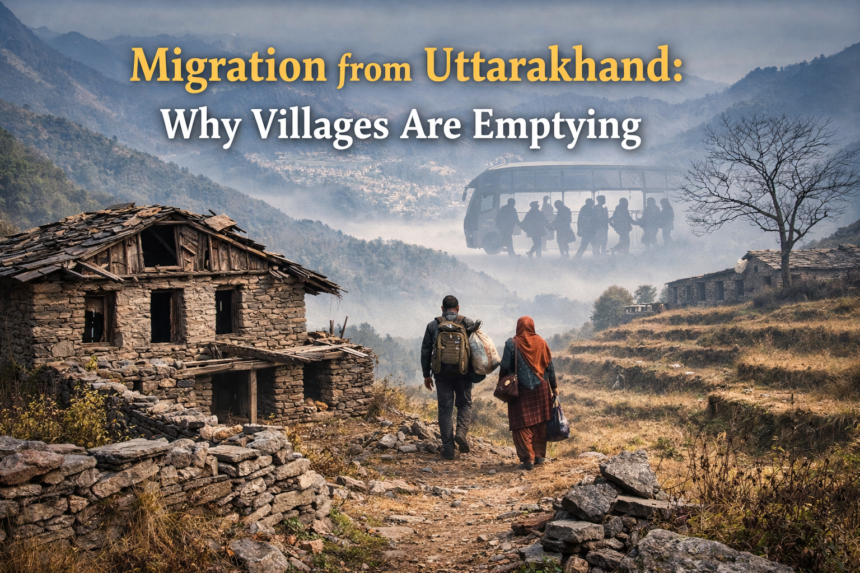
The issue of migration from Uttarakhand has emerged as one of the most serious socio-economic challenges facing the Himalayan state. Over the last few decades, thousands of villages in Uttarakhand have witnessed a steady decline in population. Many villages today stand almost deserted, earning the label of “ghost villages.” Empty homes, abandoned farmlands, and silent schools tell a painful story of people leaving their ancestral land in search of survival and dignity elsewhere.
This article explores why villages in Uttarakhand are emptying, the major reasons behind migration, its impact on society and the environment, and what can be done to reverse this trend.
The Scale of Migration in Uttarakhand
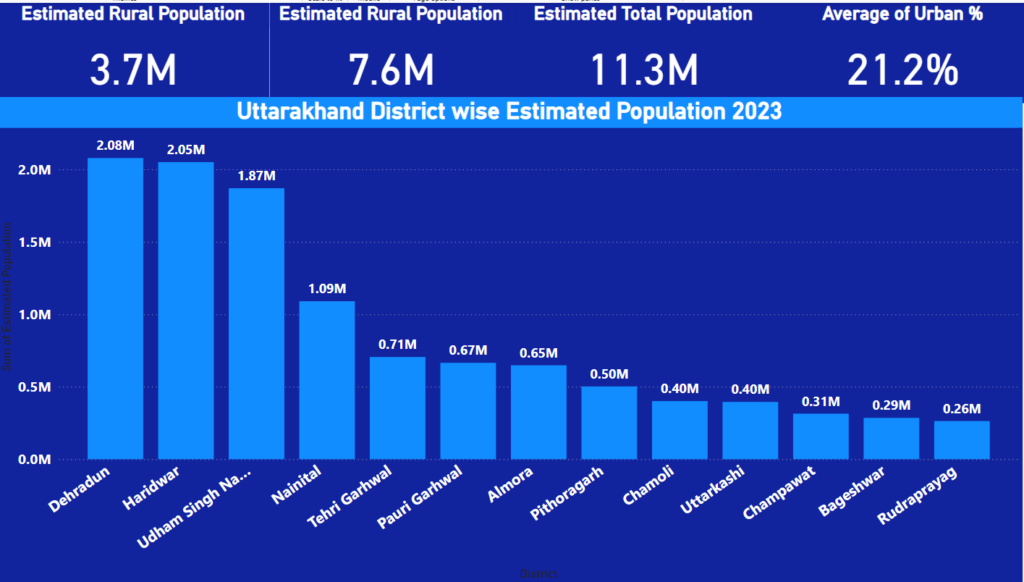
According to various government and social studies, more than 1,000 villages in Uttarakhand are either completely abandoned or have fewer than 10 residents. Districts like Pauri Garhwal, Almora, Tehri Garhwal, and Chamoli are among the worst affected. Young people migrate to cities such as Dehradun, Delhi, Haldwani, and even metropolitan areas like Mumbai and Bengaluru.
The phenomenon of rural migration in Uttarakhand is not new, but its pace has accelerated significantly in the last 20–25 years.
read more- Why Uttarakhand is called Land of Gods “Devbhoomi”?
Key Reasons Why Villages Are Emptying
1. Lack of Employment Opportunities
The biggest driver of migration from Uttarakhand villages is unemployment. Agriculture, once the backbone of hill life, is no longer profitable due to small landholdings, lack of irrigation, and wild animal threats. With limited industries and government jobs in rural areas, the youth are left with no option but to migrate.
2. Poor Education and Health Facilities
Many hill villages lack quality schools, colleges, and healthcare centers. Parents migrate primarily for their children’s education and better medical facilities. In emergency situations, the long distance to hospitals often becomes life-threatening, forcing families to relocate permanently.
3. Difficult Geography and Infrastructure Challenges
Uttarakhand’s mountainous terrain makes road construction and maintenance difficult. Poor connectivity, frequent landslides, and harsh winters isolate villages for months. Daily life becomes a struggle, especially for the elderly, accelerating hill migration in Uttarakhand.
4. Human-Wildlife Conflict
Increasing incidents of crop destruction by monkeys, wild boars, and bears have made farming risky. Many farmers have stopped cultivating land altogether. Abandoned fields further discourage families from staying back in villages.
5. Climate Change and Natural Disasters
Cloudbursts, floods, landslides, and changing rainfall patterns have made life unpredictable. Climate change has intensified migration, as villagers feel unsafe investing their future in disaster-prone regions.
Social and Cultural Impact of Migration
The ghost villages of Uttarakhand represent more than just empty houses—they symbolize the erosion of culture, traditions, and community life. Folk songs, festivals, traditional farming practices, and local dialects are slowly disappearing. Elderly people left behind face loneliness, insecurity, and lack of support.
Women often bear the double burden of managing households alone while men migrate for work, leading to social imbalance and emotional stress.
Environmental Consequences
Ironically, migration also affects the environment. Abandoned agricultural land turns into shrubland, increasing the risk of forest fires. Lack of human presence reduces forest management, while wildlife populations expand closer to settlements, worsening human-animal conflict.
Government Initiatives and Possible Solutions
The Uttarakhand government has launched several initiatives like the Migration Commission, promotion of homestays, rural tourism, and self-employment schemes. However, experts believe stronger measures are needed:
- Development of local employment opportunities
- Promotion of eco-tourism and village tourism
- Support for organic farming and traditional crops
- Improved digital connectivity and remote work options
- Strengthening health and education infrastructure
If villages become economically viable again, migration can be slowed and even reversed.
Conclusion
The problem of migration from Uttarakhand is deeply rooted and complex, but not irreversible. Villages are emptying not because people want to leave, but because they are forced to. With focused policy implementation, sustainable development, and community participation, Uttarakhand’s villages can regain life and vitality.
Saving these villages means saving the soul of Uttarakhand—its culture, environment, and identity.