Wildlife of Uttarakhand nestled in the lap of the Himalayas, Uttarakhand is home to some of the most extraordinary wildlife found anywhere in India. Dense forests, mighty glaciers, alpine meadows and river valleys together form a thriving ecosystem that shelters rare and endangered species.
From the elusive snow leopard to the colorful Himalayan monal, the Wildlife of Uttarakhand reflects the unique biodiversity of the Central Himalayas.
This blog explores Uttarakhand’s rare wildlife species, the challenges they face, and the inspiring conservation efforts safeguarding their future.
also read- The Guardians of Himalaya Char bhai Mahasu
Snow Leopard: The Ghost of the Himalayas
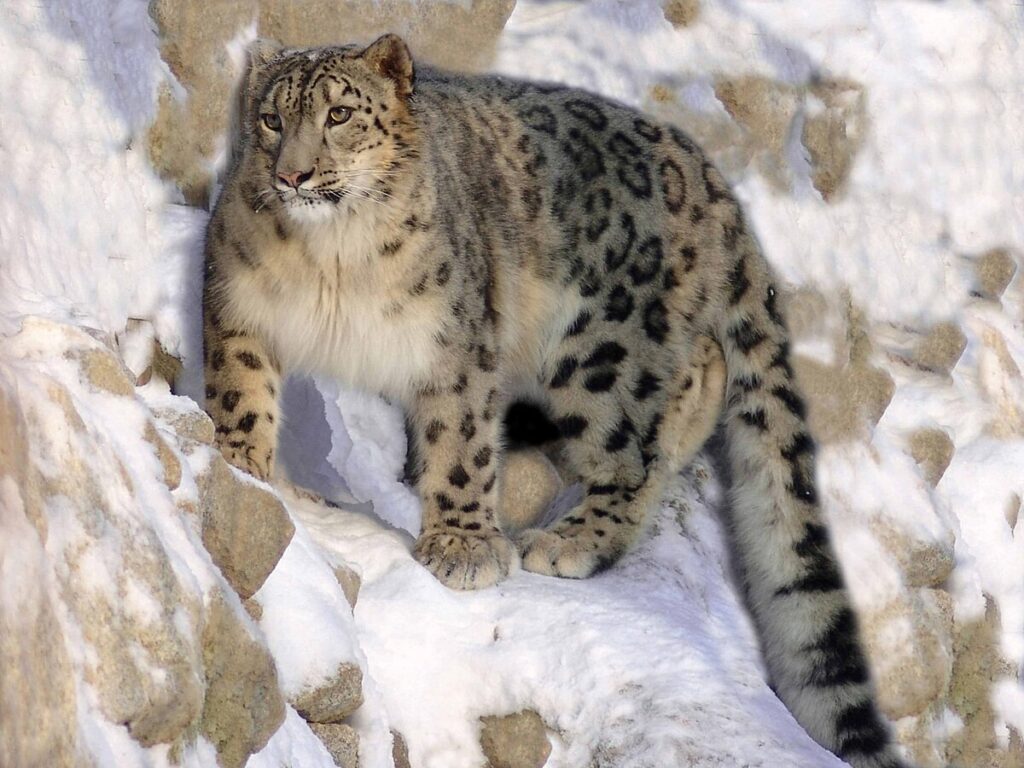
The Snow Leopard is one of the rarest and most mysterious animals found in Uttarakhand.
Known as the Ghost of the Mountains, it lives in the high-altitude regions of:
- Gangotri National Park
- Nanda Devi Biosphere Reserve
- Kedarnath Wildlife Sanctuary
Why Snow Leopards Are Endangered
- Habitat loss due to climate change
- Decreasing prey population
- Human–wildlife conflict
Conservation Efforts
- Project Snow Leopard by Government of India
- Camera trap monitoring programs
- Community-based conservation in Uttarkashi & Chamoli
- Snow Leopard Conservation Centre in Uttarakhand
Bengal Tiger: Pride of Jim Corbett National Park
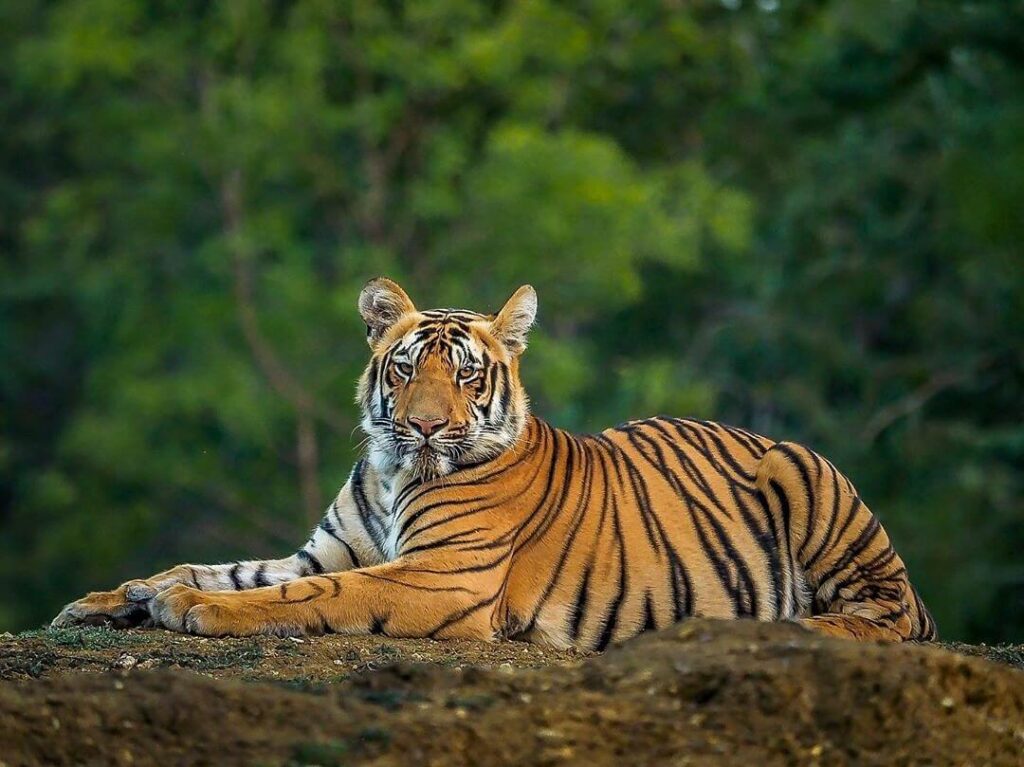
Uttarakhand’s Jim Corbett National Park has the highest tiger population in India.
It is the heart of Project Tiger and plays a vital role in tiger conservation.
Threats
- Poaching
- Increasing human movement around forests
Success Story
Thanks to strict protection measures, Corbett’s tiger population has risen consistently, making it a global model for wildlife preservation.
Musk Deer: The Jewel of the Himalayas
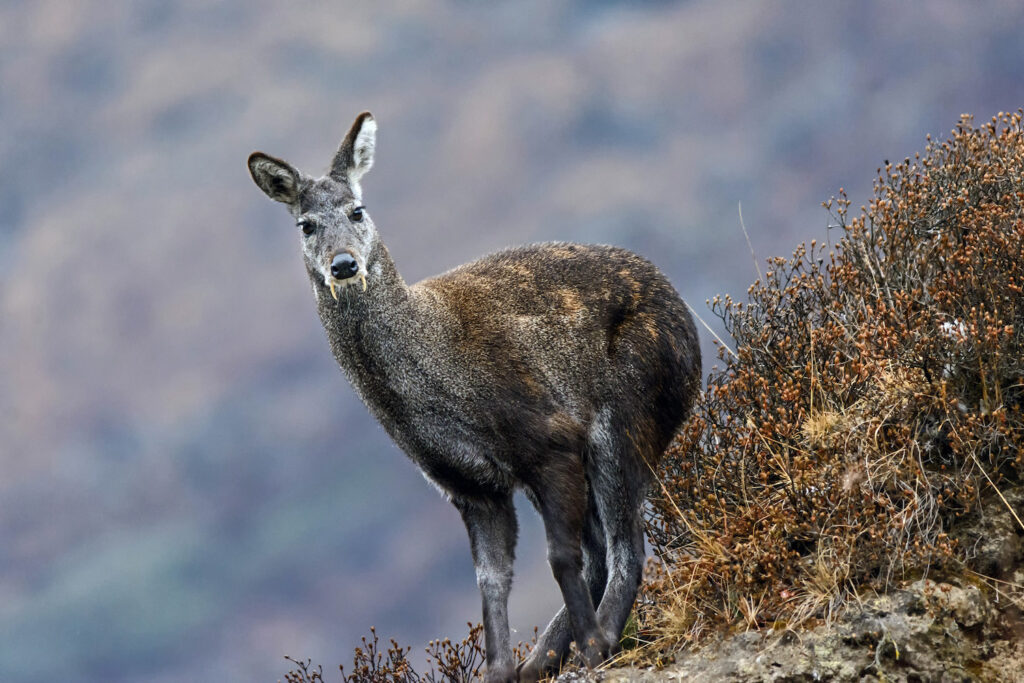
The Himalayan Musk Deer, locally known as Kasturi Mrig, is one of Uttarakhand’s most precious species.
It is found in:
- Kedarnath Wildlife Sanctuary
- Nanda Devi National Park
- Askot Wildlife Sanctuary
Why Is It Threatened?
The deer is hunted for its musk gland, which is extremely valuable.
Conservation Measures
- Special Task Forces against poaching
- Breeding centres in Kedarnath region
- GPS tracking and population assessment projects
4. Himalayan Monal: The State Bird of Uttarakhand
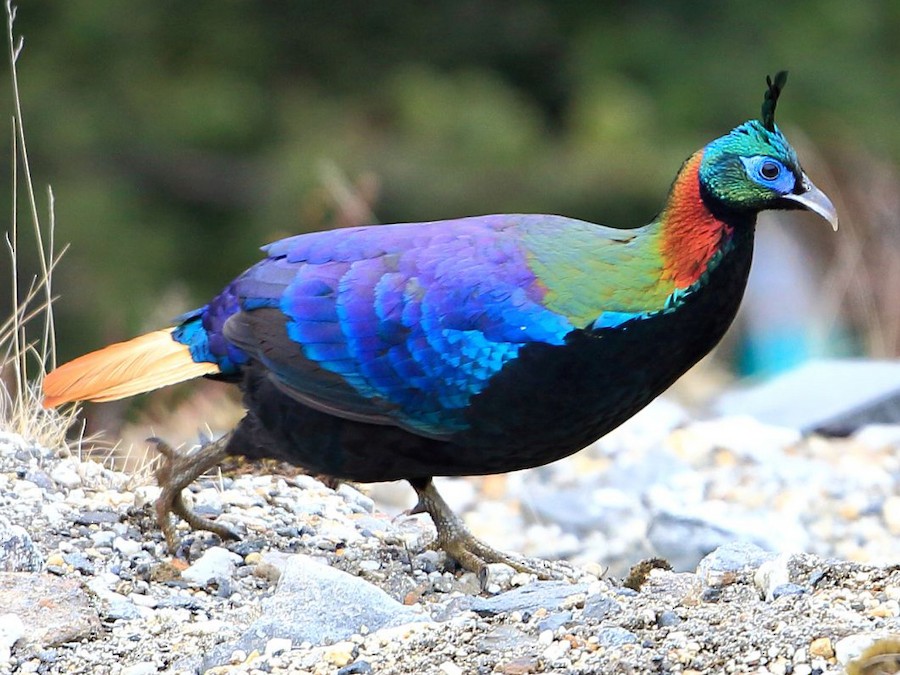
The Himalayan Monal, famous for its rainbow-like feathers, symbolizes the beauty of Uttarakhand.
It is mainly seen in:
- Chopta–Tungnath region
- Kedarnath Wildlife Sanctuary
- Govind Pashu Vihar
Threats
- Illegal hunting for feathers
- Loss of alpine habitat
Conservation
- Awareness programs among local communities
- Strict bans on monal feather trade
- Habitat monitoring in Garhwal Himalayas
Himalayan Wolf: A Mysterious and Ancient Species
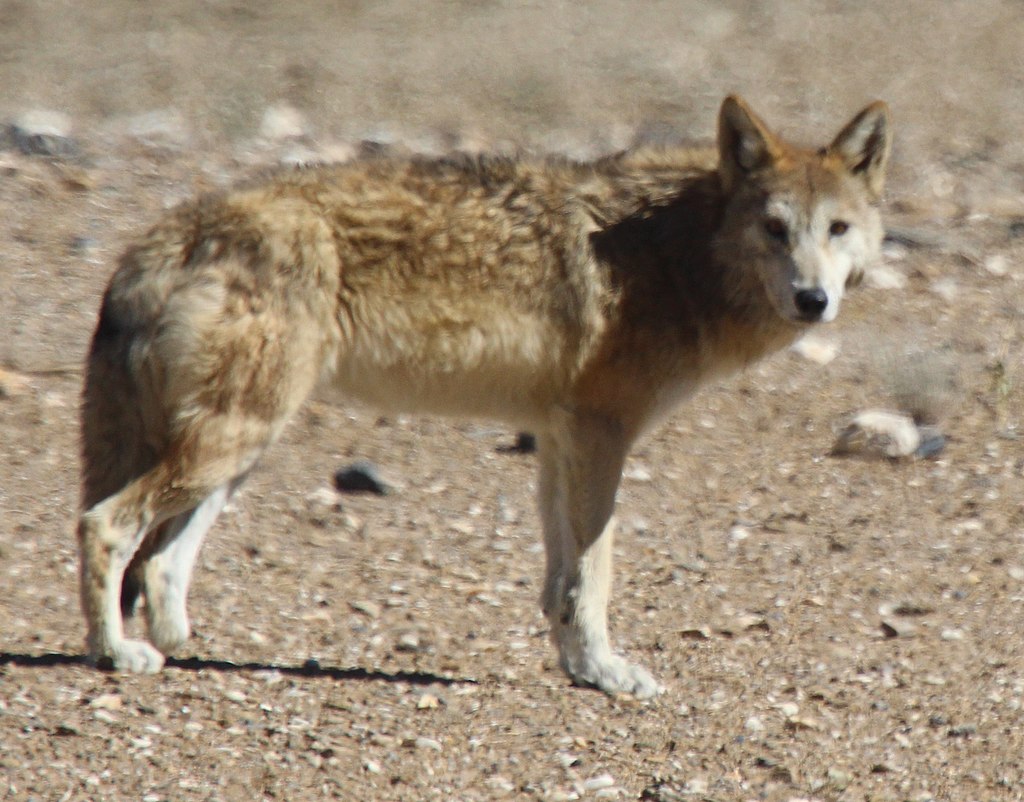
The Himalayan Wolf is one of the world’s oldest wolf lineages.
It survives in the frozen landscapes of:
- Harsil Valley
- Nanda Devi region
- Johar Valley
Threats
- Very small population
- Misidentification as common wolves
Conservation Work
- DNA-based species identification
- Research collaborations with Wildlife Institute of India (WII)
Himalayan Black Bear: The Forest Guardian
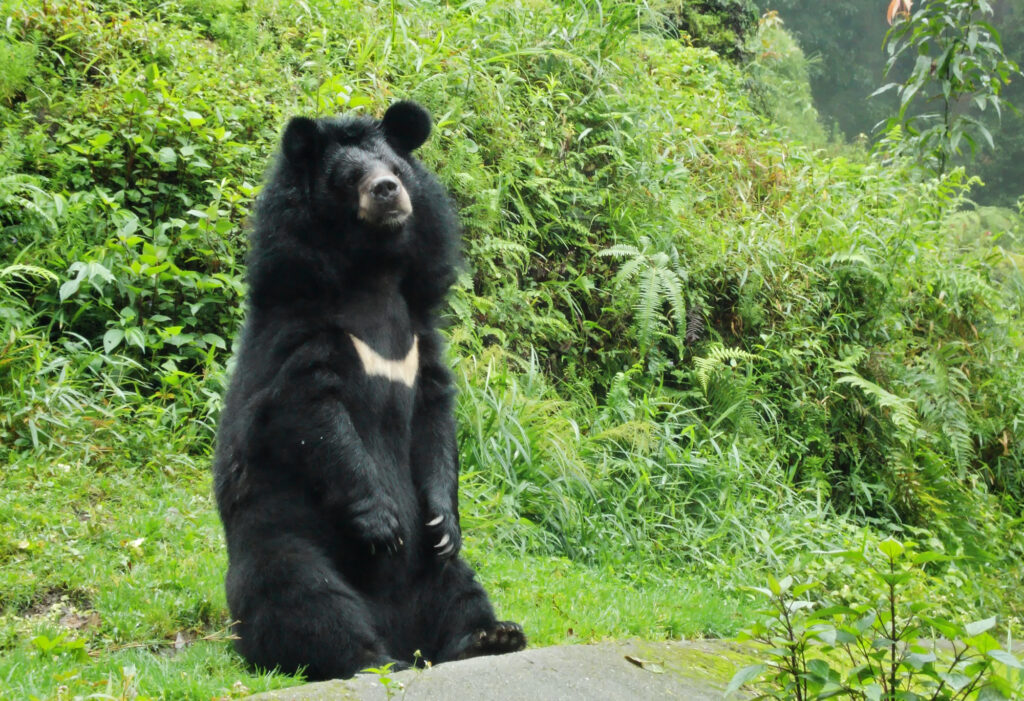
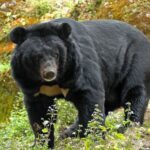
Found in lower and middle Himalayan forests, the Himalayan Black Bear is both powerful and threatened.
Key Threats
- Human–wildlife conflicts
- Shrinking forest cover
Conservation
- Rapid response teams for rescue
- Forest corridor protection projects
read about-https://uttarakhandmagazine.com/category/blog/#google_vignette
Conservation Initiatives Transforming Uttarakhand
Uttarakhand has become a leader in wildlife protection due to multiple strong initiatives:
1. Eco-Sensitive Zones (ESZ) around national parks
- Prevent construction and protect natural habitat.
2. Community Forest Groups
- Villagers participate directly in protecting animals.
3. Anti-poaching Units & Drone Surveillance
- Used in Corbett Tiger Reserve & Kedarnath Sanctuary.
4. Rewilding & Habitat Restoration Projects
- Restoring grasslands, corridors and river zones.
Why Uttarakhand’s Wildlife Matters
The Wildlife of Uttarakhand is not just an environmental asset—it is a cultural and spiritual legacy.
The mountains are alive with stories of tigers, deers, mythical birds, and snow-dwelling spirits.
Protecting them means protecting:
- The Himalayan ecosystem
- Local livelihoods
- India’s natural heritage
read more-https://uttarakhandmagazine.com/blog/pauri-garhwal-uttarakhand/